
Key Takeaways
- The source of water determines urgency: clean water from a supply line gives you hours, while sewage backup demands immediate action to prevent health hazards.
- Porous materials like carpet and drywall absorb water in minutes and can take days to dry completely, while non-porous surfaces dry in hours.
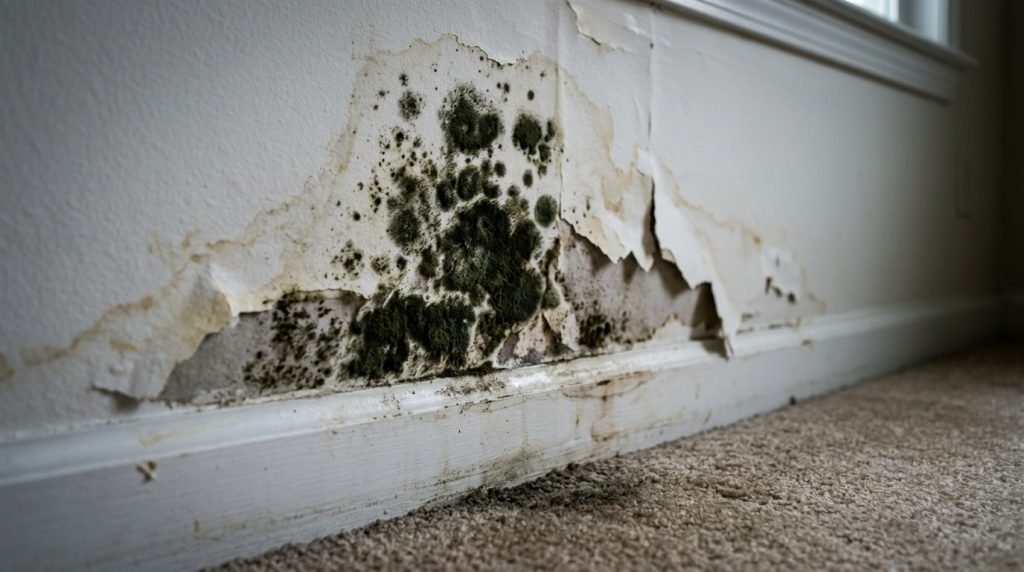
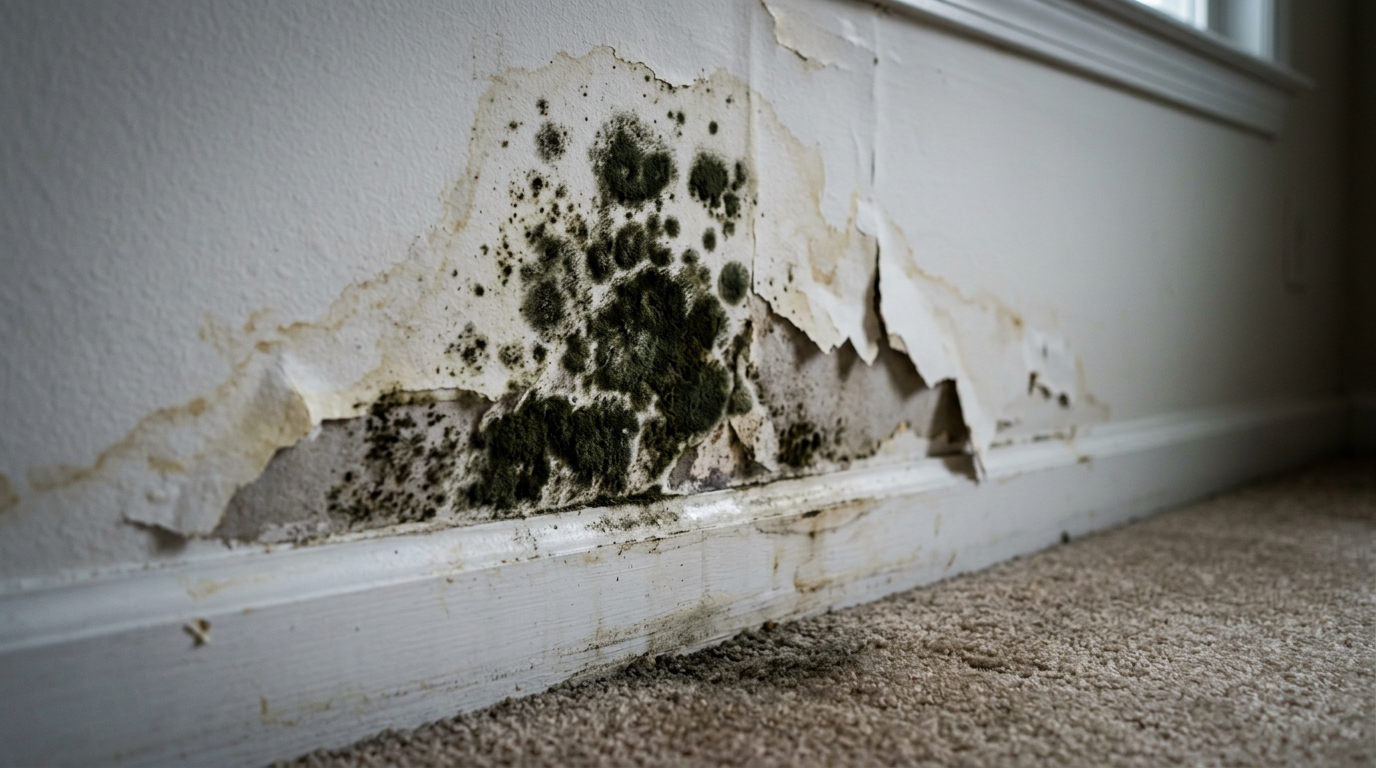
- Every hour of delay compounds the damage; mold can begin growing within 24 to 48 hours, and structural weakening accelerates as water spreads.
- The right questions about response time and equipment capacity reveal whether a restoration team can meet your timeline or will leave you waiting.
The water damage restoration timeline is the period required to extract water, dry affected materials, and return a property to pre-loss condition. When you find water pooling in your basement or soaking through your ceiling, the clock starts immediately. The speed of restoration depends on factors you can’t always see: the type of water involved, what materials it’s touched, how far it’s spread, and how quickly you act. Understanding these factors helps you make informed decisions in the critical first hours.
Why the water source determines your response window
Clean water from a burst supply line is Category 1. It poses no immediate health threat and gives you several hours before secondary damage accelerates. Gray water from appliances or washing machines carries contaminants and shortens your response window to hours, not days. Black water from sewage backups or flooding is Category 3. It contains dangerous pathogens and requires immediate professional intervention with full protective equipment and antimicrobial treatment. The category dictates everything: what equipment the restoration team brings, what materials can be saved versus removed, and how long the drying process takes. A Category 1 loss might allow for drying and sanitizing existing materials. A Category 3 loss often requires removing and replacing drywall, insulation, and flooring to eliminate contamination risk. The most common mistake homeowners make is trying to handle it themselves, mopping it up, running a shop vac, or scrubbing with household bleach or cleaners, without the proper protective equipment, containment, or professional-grade disinfection. This approach spreads pathogens, contaminates more of the home, and almost always leaves hidden moisture behind that leads to mold and bigger problems down the line. The source sets the entire restoration strategy and timeline. A clean-water leak discovered within an hour can often be mitigated with extraction and drying. The same amount of sewage water demands demolition, disposal, and reconstruction, regardless of how quickly you call. Know the source before you decide whether to wait for morning.
How building materials control drying time
Drywall absorbs water like a sponge and begins to break down within hours. Once saturated, it rarely dries without warping or developing mold, so most restoration teams remove affected sections rather than attempt to salvage them. Carpet and padding hold moisture deep in their fibers and can take three to five days of continuous air movement and dehumidification to dry completely, if caught early. Wait too long, and both go to the dumpster. Hardwood flooring is different. It swells, cups, and separates at the seams when exposed to water, and the drying process must be slow and controlled to prevent cracking. Rushing it with too much heat causes more damage than the water itself. Tile and vinyl, being non-porous, dry quickly, but the subfloor beneath them often doesn’t, and hidden moisture there can seed mold growth that you won’t see until it’s widespread. The surface looking dry doesn’t mean the material is dry. A moisture meter reading below 15% is the standard for wood; anything higher and you’re still at risk. Restoration timelines stretch when materials require specialized drying techniques or when hidden moisture goes undetected during the initial assessment. The material composition of your home drives how long restoration takes.
How damage scope determines the restoration timeline
| Damage Level | Typical Timeline | Key Differences |
|---|---|---|
| Minor leak (localized, caught within hours) | 2-4 days | Extraction and drying only; materials often salvageable; minimal equipment |
| Moderate flooding (multiple rooms, standing water) | 5-10 days | Requires demolition of saturated materials; extensive drying; mold prevention treatment |
| Major flood (whole-floor or structure-wide) | 2-4 weeks | Full reconstruction; structural drying; possible mold remediation; insurance coordination delays |
A small leak under a sink affects one cabinet and a section of flooring. Extraction, drying, and monitoring take a few days, and most materials stay in place. A washing machine overflow that spreads across a finished basement involves pulling carpet, cutting drywall two feet up from the floor, and running industrial dehumidifiers for a week. The equipment alone (air movers, dehumidifiers, moisture meters) scales with the affected area, and so does the labor. Major flooding introduces structural concerns. Water that sits for hours weakens floor joists, seeps into wall cavities, and compromises insulation. Restoration teams must dry the structure itself, not just the visible surfaces, which means opening walls and monitoring moisture levels in framing lumber. According to AP News, storms like Hurricane Harvey can linger for days, causing severe flooding and making quick assessments difficult. The scope of damage controls the timeline more than any other factor. A restoration team can’t compress a two-week structural drying process into three days without risking mold growth or structural failure. Understanding this upfront avoids the frustration of unrealistic expectations.
Why the first hour determines whether you dry or demolish
You walk into your kitchen and find water spreading from under the dishwasher. In the first hour, it’s extraction and drying. Wait six hours, and the water has wicked up into the drywall and soaked the subfloor. Now you’re cutting drywall and running fans for days. Wait 24 hours, and mold spores begin colonizing the damp surfaces. At that point, you’re not just restoring; you’re remediating. The difference between a same-day call and a next-day call is often the difference between drying and demolition. Water spreads through porous materials at a predictable rate, and every hour it sits increases the volume of affected material. Structural drying works when moisture content is still manageable; once saturation reaches a certain threshold, materials can’t be saved. Immediate action also prevents secondary damage. Water that sits overnight seeps into subfloors, spreads to adjacent rooms, and begins the degradation of adhesives and finishes. The restoration timeline for a delayed response isn’t just longer; it’s more complex. A three-day drying job becomes a ten-day reconstruction project because the initial damage was allowed to compound. The longer water damage sits untreated, the more damage it creates, which is why timing matters so much once disaster strikes. The first call should happen within the first hour, not after you’ve tried to fix it yourself or after you’ve confirmed it’s “really bad.”.
What to ask your restoration team to ensure timely service
- What is your actual response time from the moment I call? A vague “we respond quickly” means nothing. You need a specific commitment: 30 minutes, 60 minutes, 90 minutes. Anything over two hours in an emergency suggests they’re juggling multiple jobs or don’t have crew availability.
- What equipment do you bring on the first visit, and how much capacity does it have? A professional team arrives with extraction equipment, air movers, dehumidifiers, and moisture meters on the initial call, not on a follow-up trip. Ask how many air movers they deploy per affected room and what CFM (cubic feet per minute) rating their equipment carries. Underpowered equipment extends drying time by days.
- How do you monitor moisture levels during the drying process, and how often? Daily moisture readings with a calibrated meter are standard. If they’re checking every other day or relying on visual inspection, they’re guessing. Moisture levels should be documented in writing at each check, with a clear target level for completion.
- Do you coordinate directly with insurance, and what documentation do you provide? A restoration team that handles insurance communication saves you days of back-and-forth. Ask what photos, moisture logs, and itemized estimates they provide to your adjuster. The more documentation they produce upfront, the faster your claim moves.
- What certifications do your technicians hold, and are they specific to water damage restoration? IICRC certification is the industry standard. Technicians without it may know how to run equipment but lack the training to assess structural moisture, identify hidden damage, or prevent mold growth. Certification isn’t a nice-to-have; it’s the minimum for competent work.
These questions separate a restoration team that can meet your timeline from one that will extend it through delays, inadequate equipment, or poor communication. The answers reveal their actual capacity and commitment before you’re locked into a contract.
Making the decision when water damage strikes
The decision you make after discovering water damage is whether to act in the first hour or wait to see how bad it gets. Waiting never improves the outcome; it only increases the damage and the timeline. Check the source, see what materials are affected, and call a restoration team immediately if the water is anything other than a small, contained spill you can dry yourself within an hour. If you’re facing water damage in Charlotte and need a team that responds within 60 minutes with IICRC-certified technicians and full extraction and drying equipment, Statewide Restoration handles emergency water damage restoration and can begin mitigation before secondary damage takes hold.
Frequently asked questions
What does water damage restoration typically cost?
Cost depends on the category of water, the extent of damage, and what materials require removal versus drying. A minor Category 1 leak affecting one room might run a few hundred dollars for extraction and drying. A Category 3 flood requiring demolition, antimicrobial treatment, and reconstruction can reach several thousand dollars. Most restoration companies provide a detailed estimate after the initial assessment, and many work directly with insurance to streamline the claims process.
How long does water damage restoration take?
A localized leak caught early typically takes two to four days for complete drying. Moderate flooding affecting multiple rooms extends to five to ten days, including demolition and drying time. Major structural flooding can require two to four weeks when reconstruction is involved. The timeline depends on the moisture content in structural materials, the drying capacity of the equipment deployed, and whether mold remediation becomes necessary.
What should I do if I discover water damage at night or on weekends?
Call an emergency restoration service immediately. Reputable companies operate 24/7 for this reason. While waiting for the team to arrive, stop the water source if possible, move valuables out of the affected area, and avoid walking through standing water if electrical outlets or appliances are nearby. Do not attempt to dry the area yourself with household fans. Professional extraction and dehumidification equipment is necessary to prevent mold growth.
How can I prevent water damage before it happens?
Inspect appliance hoses and supply lines annually and replace any showing signs of wear or cracking. Install water leak detectors near washing machines, water heaters, and under sinks. They alert you to leaks before damage occurs. Maintain gutters and downspouts to direct water away from your foundation, and ensure your sump pump functions properly if you have a basement. Regular maintenance catches small issues before they become major water damage events.
When should I call for emergency restoration instead of handling it myself?
Visible standing water, water stains spreading across ceilings or walls, a musty odor that develops suddenly, or warping and buckling in flooring all require immediate professional attention. Soft or spongy drywall, discoloration around baseboards, and peeling paint or wallpaper are also red flags. If you notice any of these signs, calling a restoration team within the first few hours reduces the damage and shortens the restoration timeline.
Getting ahead of water damage before it spreads
The decision to call for professional help within the first hour isn’t optional—it’s the difference between a contained extraction job and weeks of reconstruction. Every hour you wait compounds the damage: water wicks deeper into materials, mold begins its invisible colonization, and your restoration timeline doubles or triples. Make that call immediately, document what you can see, and let the professionals assess what you can’t.
Statewide Restoration can dispatch a team to begin Water Damage Mitigation and assessment within your first critical hours.