
Key Takeaways
- Response time determines how much secondary damage occurs; water spreads into subflooring and wall cavities within hours, not days.
- IICRC certification means technicians follow standardized protocols for extraction, drying, and containment rather than relying solely on experience.
- Direct insurance coordination shifts the paperwork burden to the restoration company, but only if they document damage properly from day one.
- Equipment age matters more than equipment type; moisture meters and thermal cameras only catch hidden water if they’re calibrated recently.
A crew that arrives six hours after your call finds water that has already wicked two feet up drywall and soaked through ceiling insulation. The difference between a 90-minute response and a six-hour response is the difference between drying what you have and replacing what you lost. Water damage restoration involves extracting standing water, drying structural materials, and preventing secondary damage like mold growth after a water intrusion event.
How response time and availability affect secondary damage
Your first question should be, “What’s your average response time right now?” Not their advertised promise, but their actual current average. A company that quotes “within two hours” but takes four has a dispatch problem you’ll inherit during your emergency. Ask specifically about after-hours and weekend response. Water doesn’t wait for business hours. A burst pipe at 2 AM on Saturday needs the same speed as a Monday morning leak. If the company routes after-hours calls to an answering service that pages an on-call tech, add 30 minutes to whatever they quote you. Check what “response” means in their terms. Some companies count response time from when you call, while others start from when their tech finishes the previous job. That distinction matters when you’re watching water spread across your floor. The 30 to 90-minute window is the industry standard for a reason. Water damage accelerates in the first few hours. What starts as surface water can lead to structural saturation. The most costly error homeowners make is failing to shut off the water source immediately, allowing damage to compound while they wait for help to arrive. What could have been extraction and drying may turn into demolition and replacement.
Why IICRC certification changes how technicians handle your property
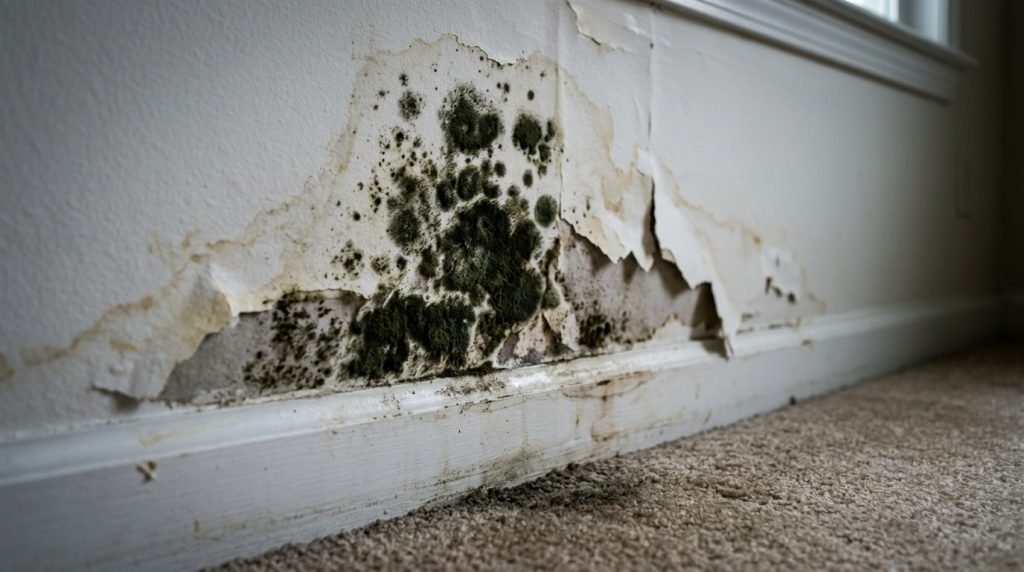
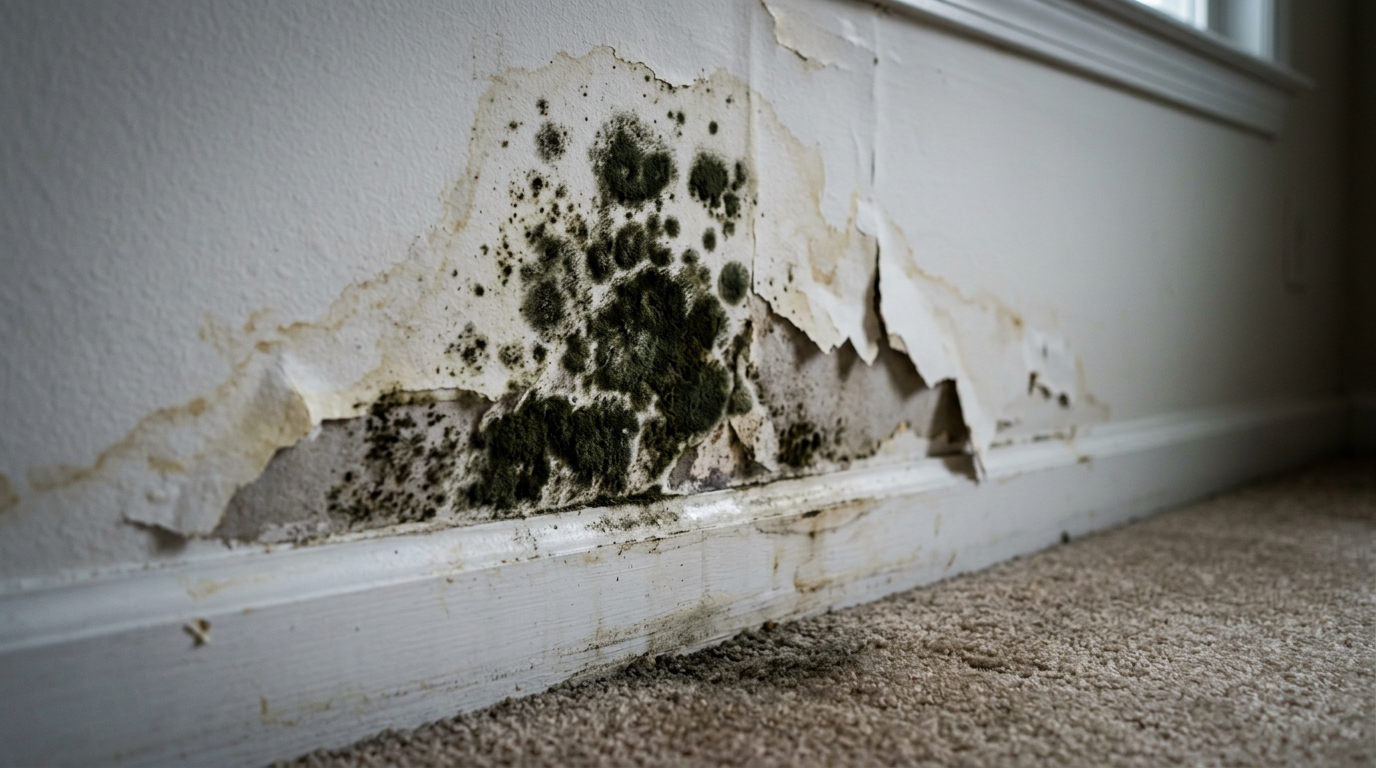
Most people think all restoration companies operate with the same baseline protocols. They don’t. IICRC certification establishes a common training standard across the industry. According to Northern Arizona University’s water damage restoration guideline, certified technicians follow the IICRC Standard for Professional Mold Remediation, which defines protocols for containment, removal, and verification that non-certified crews often skip. Ask whether the technicians who actually show up to your property hold current IICRC certifications, not just whether the company owner has one framed on the office wall. The person running the air movers and cutting into your walls needs to understand psychrometric calculations and drying chamber setup. That knowledge comes from certification, not from years of “doing this kind of work.” Non-certified technicians often over-dry or under-dry. Over-drying cracks hardwood and splits trim. Under-drying leaves moisture in wall cavities where mold grows invisibly for months. The certified approach uses moisture meters at multiple depths and adjusts equipment based on readings, not guesswork. The gap appears most clearly in category 3 water damage (sewage backups, flooding). A non-certified crew treats it like any other water event. In contaminated water situations, IICRC-trained technicians recognize that ductwork must be cleaned to prevent spreading pathogens throughout the home—a step untrained crews routinely overlook. A certified crew knows it requires different containment, disposal protocols, and safety equipment. That difference decides whether your home is safe to occupy when they finish.
How direct insurance coordination reduces your paperwork burden
You might think every restoration company handles insurance the same way: they do the work, you file the claim, the check arrives. That’s not how it works. Some companies require you to pay upfront and seek reimbursement yourself. Others bill your insurance directly but make you handle all the paperwork and phone calls. A few coordinate directly with your adjuster from day one. Direct coordination means the restoration company documents everything your insurance needs before they start work. They photograph the damage from multiple angles. They write detailed scope-of-loss reports that match your policy’s language. They walk the adjuster through the property and explain why each item needs replacement versus restoration. Without that coordination, you become the translator between two technical fields you don’t understand. Your adjuster asks why the contractor removed baseboards in rooms with no visible water. Your contractor tells you it’s standard protocol. You’re stuck explaining protocol to someone who wants documentation, not explanations. The companies that coordinate well send their estimates in the format your insurance company expects. They use Xactimate or a similar platform that adjusts for local labor rates and material costs. They include line items for containment, equipment rental, and disposal, the concealed costs that homeowners forget to claim and end up paying out-of-pocket. Ask upfront whether they bill insurance directly and whether they handle the claim documentation. If they say “we work with all insurance companies,” push for specifics about what that means in practice. The answer should include words like “Xactimate,” “adjuster coordination,” and “scope-of-loss documentation.”
What calibrated equipment catches that visual inspection misses
You call a restoration company. They arrive with fans, a shop vacuum, and a dehumidifier from the hardware store. They set everything up, tell you it’ll take three to five days, and leave. Four days later, your floors are still damp and smell like mildew. The equipment wasn’t wrong; it was inadequate. Professional water extraction uses:
- Truck-mounted pumps that pull hundreds of gallons per hour, not shop vacuums that hold six gallons and need emptying every 20 minutes
- Industrial dehumidifiers that remove 10 to 20 times more moisture per day than residential units
- Thermal imaging cameras that show temperature differentials indicating concealed moisture
- Moisture meters that confirm saturation with readings at multiple depths
The difference isn’t luxury; it’s physics. Undersized equipment can’t create the vapor pressure differential needed to pull water out of saturated materials. Thermal imaging cameras and moisture meters find water you can’t see. Water travels through wall cavities and under flooring. A crew that only dries what looks wet leaves hidden moisture that rots framing and grows mold. The camera shows temperature differentials that indicate moisture. The meter confirms it with readings at multiple depths. Ask what specific equipment they’ll bring to your job. If they mention “industrial fans” without specifying CFM ratings or “commercial dehumidifiers” without explaining capacity, they’re hoping you won’t know the difference. A crew that knows their equipment talks in numbers: air movers rated for specific square footage, dehumidifiers measured in pints-per-day extraction, moisture meters with pin and pinless capabilities. Old equipment gives false readings. Moisture meters drift out of calibration. Thermal cameras lose accuracy. Ask when their equipment was last calibrated. If they don’t calibrate regularly, they’re making decisions based on bad data. That means they either over-dry (cracking your hardwood) or under-dry (growing mold in your walls).
How to read customer reviews for specific restoration outcomes
Most reviews say the same thing: “great service,” “professional crew,” “would recommend.” Those reviews tell you nothing. You need reviews that describe specific situations similar to yours and explain what the company actually did. Look for reviews that mention response time with actual numbers. “They arrived in 45 minutes” is useful. “They came quickly” is not. Look for reviews that describe the scope of work: how many rooms, what equipment, how many days on-site. A review that says “they handled our flooded basement” without explaining what “handled” meant could mean anything from “pumped out standing water” to “gutted to the studs and rebuilt.” Compare reviews across multiple platforms. A company with 50 five-star Google reviews and zero presence anywhere else either buys reviews or only asks happy customers to post. Look for patterns in negative reviews. One complaint about billing is an outlier. Five complaints about surprise charges after the adjuster’s visit is a pattern. Check specifically for reviews mentioning insurance coordination. Did the company handle the paperwork? Did they show up to meet the adjuster? Did their estimate match what insurance approved, or did the homeowner get stuck with a gap? This is where the difference between companies appears clearest. A company that coordinates well gets praised for it. A company that doesn’t gets blamed for surprise bills. Ignore reviews that only talk about the office staff or the sales process. You’re not hiring someone to take your call politely. You’re hiring someone to extract water, dry structure, and prevent mold. The reviews that matter describe the actual restoration work.
| Review element | Useful signal | Meaningless signal |
|---|---|---|
| Response time | “Arrived in 40 minutes on a Sunday” | “Very fast response” |
| Scope description | “Removed baseboards in three rooms, set up six air movers, checked moisture daily” | “Did a thorough job” |
| Insurance handling | “Walked the adjuster through everything, estimate was approved in full” | “Worked with our insurance” |
| Problem resolution | “Found hidden water in the wall cavity with thermal imaging” | “Very professional crew” |
Frequently asked questions
How much does water damage restoration typically cost?
Cost depends on water category, affected square footage, and how long water sat before extraction started. Clean water from a supply line costs less to remediate than sewage backup. A 500-square-foot area dried within two hours costs substantially less than the same area left wet for 24 hours, which often requires demolition. Your insurance coverage determines your out-of-pocket expense, but expect the restoration company to document everything before giving a final number.
What is the average timeline for completing water damage restoration?
Extraction and initial drying setup happen the first day. Structural drying takes three to seven days depending on material saturation levels and humidity. Reconstruction adds one to three weeks if framing or drywall needs replacement. The timeline stretches when insurance approval delays the start of reconstruction. A company that monitors moisture levels daily and adjusts equipment based on readings finishes faster than one that sets up equipment and leaves it running on a fixed schedule.
When should I consider DIY versus hiring a professional for water damage?
Handle it yourself only if the water is clean (supply line, not drain or toilet), the affected area is under 10 square feet, and you can extract and dry it completely within 24 hours. Anything larger, anything that sat longer, or anything involving contaminated water needs professional equipment and expertise. Hidden moisture in walls and subfloors causes expensive damage, and you can’t find it without thermal imaging and moisture meters. The cost of hiring a professional is less than the cost of replacing mold-damaged framing six months later.
What happens after you make the call
Your first move is confirming that whoever you hire can respond within 90 minutes and will bring calibrated equipment to find water you can’t see. The second move is ensuring they coordinate with your insurance from day one so you’re not translating between two industries while your house is full of air movers. If you’re facing water damage in Charlotte and need rapid response with direct insurance coordination, Statewide Restoration Inc handles emergency water extraction and structural drying with IICRC-certified technicians and can walk you through what to expect before the crew arrives.