Restore. Sanitize. Protect.
Sewer Overflow Cleanup
Fast & Safe Sewer Overflow Cleanup – We’ve Got You Covered
Restore. Sanitize. Protect.
Fast & Safe Sewer Overflow Cleanup – We’ve Got You Covered
About Service
Sewer overflows are one of the most hazardous water damage situations you can face. Overflowing sewage or wastewater backup can quickly turn your home or business into a hazardous environment, with serious health risks due to harmful microorganisms and contaminants. At Statewide Restoration Inc, we provide Sewer Overflow Cleanup services that focus on quick and thorough cleanup to protect both your property and your health. Our certified experts are trained to handle contaminated water, remove it safely, and disinfect the affected areas to restore your space to a clean and sanitary condition.
Whether it’s from a sewer backup, floodwaters, or plumbing failures, sewage damage requires immediate attention. If left untreated, it can lead to mold, bacteria growth, and further structural damage. Our team uses the latest equipment and techniques to ensure a safe, efficient, and complete cleanup of all contaminated water, followed by a full sanitization process to eliminate health risks.
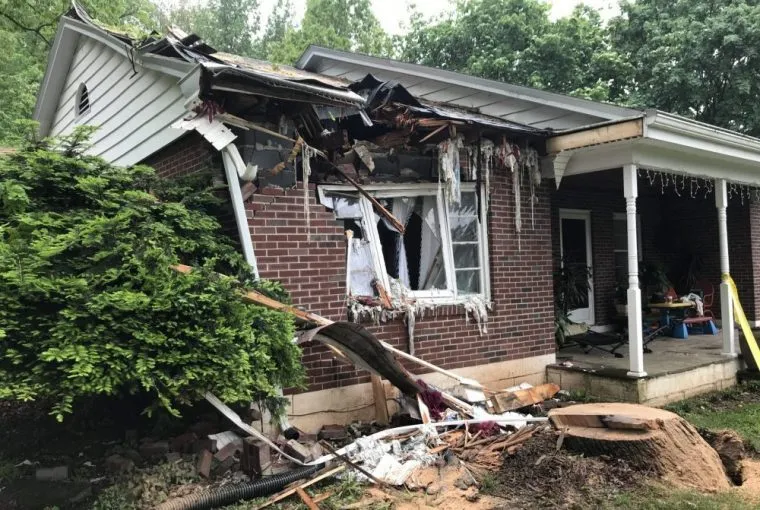
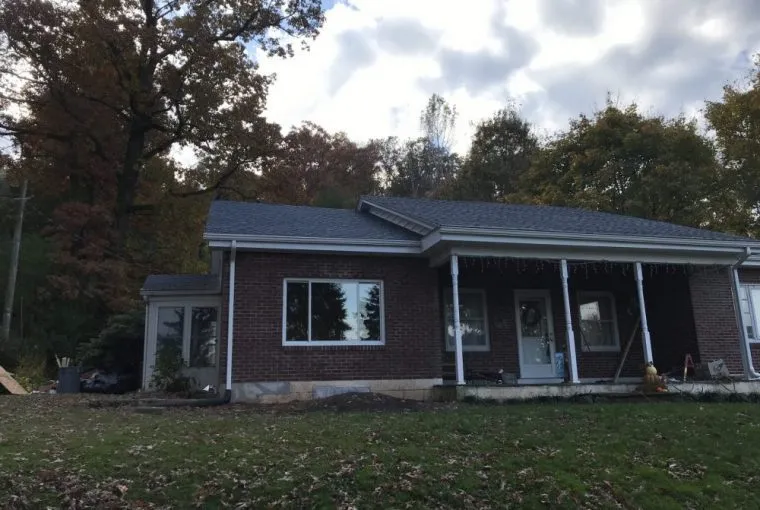
Sewer overflow cleanup requires a careful, methodical approach to ensure that all contaminated water is removed and the affected areas are properly sanitized. We follow a detailed process to guarantee that your property is restored safely and effectively.

Our team quickly evaluates the extent of the sewer overflow damage and identifies any potential risks, including the presence of harmful bacteria or hazardous materials. We then determine the best course of action for cleanup and restoration.

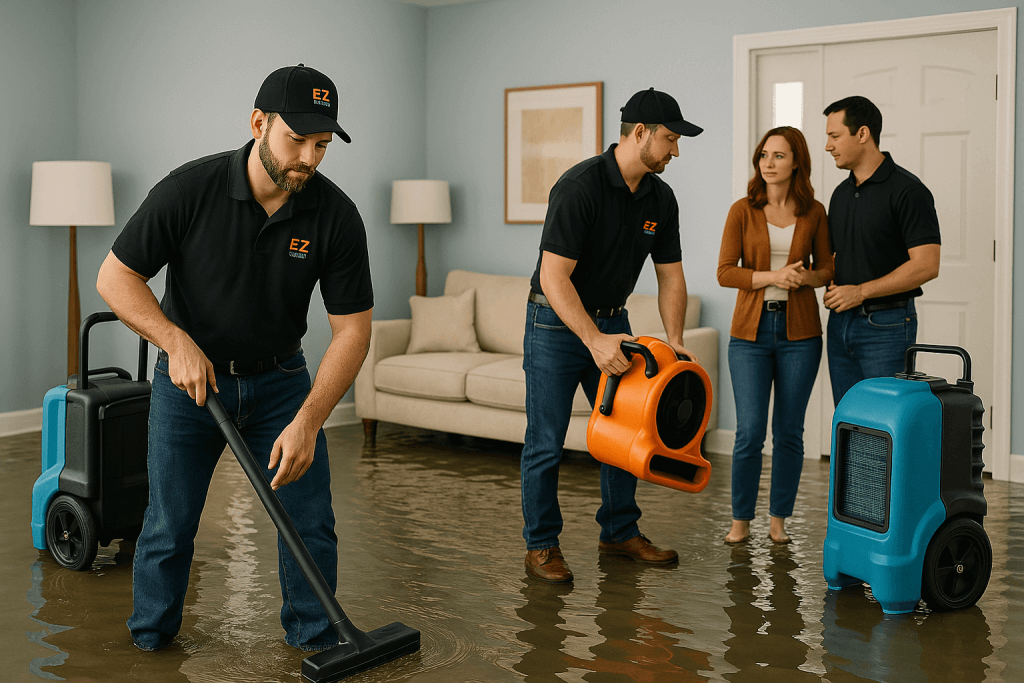
Using advanced water extraction equipment, we immediately remove all contaminated water from the affected area. Our professionals ensure that all sewer backup water is safely extracted, minimizing further exposure and damage.

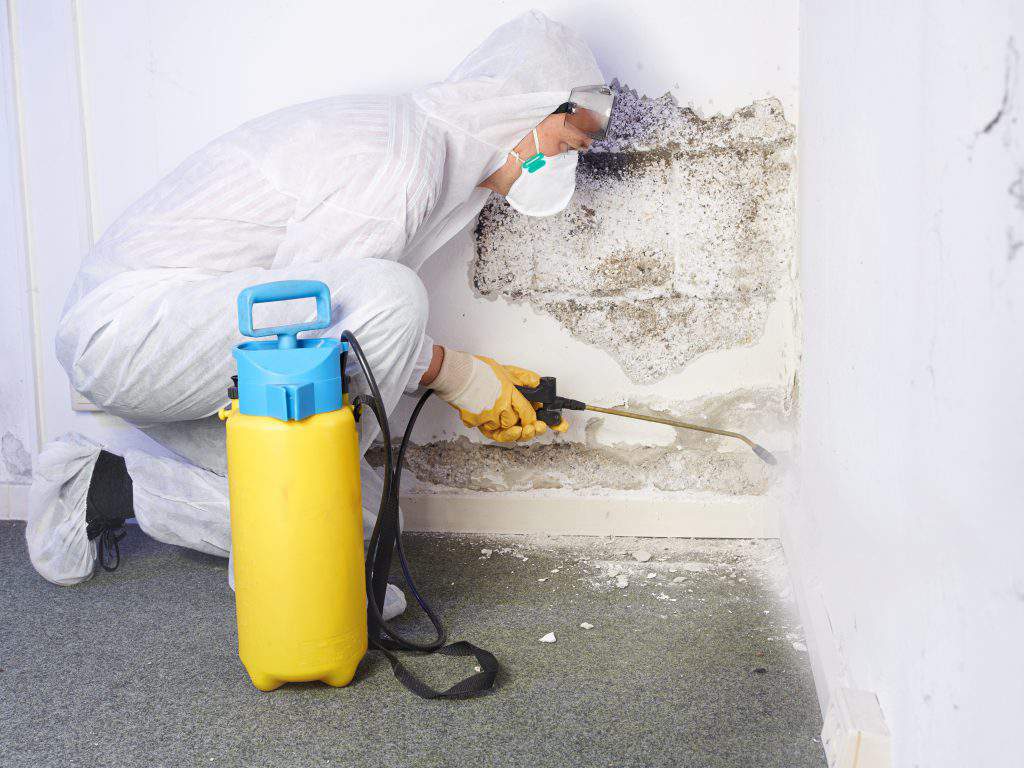
After water removal, we focus on disinfecting and sanitizing all affected surfaces. Sewage water contains harmful pathogens that pose health risks, so we use industrial-grade disinfectants to eliminate bacteria, viruses, and other harmful microorganisms.

To prevent mold and further water damage, we thoroughly dry the affected areas using high-powered drying equipment. Moisture control is essential to protect your property from secondary damage and ensure that your space is safe and habitable.

Once the affected areas are dry and sanitized, we begin the restoration process. This may include repairing or replacing damaged floors, walls, and other structural components that were affected by the sewer overflow.
Water damage spreads fast—act now! Our expert team restores your home quickly, safely, and stress-free. Call us today and reclaim your peace of mind!
At Statewide Restoration Inc, we understand the urgency of sewer overflow situations. Our team is trained to respond quickly and effectively, using industry-leading equipment to ensure your property is properly cleaned, disinfected, and restored. We are committed to providing safe, reliable, and fast sewer overflow cleanup services to protect your home or business.
24/7
99.9%
60 min
100%
Dealing with sewer damage and insurance claims can be overwhelming. We work directly with all major insurance providers to ensure your claim is processed smoothly, helping you recover faster.




Other Services
Our Sewer Overflow Cleanup services are designed to address the entire scope of sewage and wastewater damage. From water extraction to disinfection and repairs, we’ve got you covered.
At Statewide Restoration Inc, we’re proud to serve the Charlotte community with reliable, professional, and compassionate restoration services. Whether you’re dealing with water damage, mold, or an emergency situation, our certified team is just a call away.

Charlotte, NC, USA
If you have any enquires, email us using the form and we will get back to you asap.
Sewer overflow water is classified as Category 3 contamination, or black water, because it contains fecal matter, raw sewage, and biological hazards that standard water extraction methods cannot address. This differs fundamentally from clean water from a supply line or gray water from a washing machine. Category 3 water carries E. coli, hepatitis A, salmonella, parasites, and chemical residues from household cleaners and medications that passed through the sewer system.
The first step is identifying the backup source and isolating affected areas to prevent cross-contamination. Technicians establish containment barriers using plastic sheeting and negative air pressure to keep airborne contaminants from spreading to unaffected rooms. This containment phase is critical; sewage particles can become airborne during extraction and disturb dust that settles on clean surfaces elsewhere in the home.
The extent of contamination determines the volume of material removal and disposal. A backup confined to one bathroom with tile flooring costs far less than sewage that spreads across carpeted hallways and into finished basement spaces. Depth of water, duration of exposure, and the number of affected rooms all drive labor hours and disposal fees. Contaminated materials must be bagged, labeled, and disposed of at facilities that accept Category 3 waste, which adds cost compared to standard construction debris.
Sewer backup water is dark, foul-smelling, and often contains visible solid waste or toilet paper. It typically enters through floor drains, toilets, or basement drains when the municipal sewer line or your home's main line is blocked. Clean water from a supply line break is clear and odorless. If you're unsure, treat it as contaminated until a professional can assess it; the health risk isn't worth guessing.
If the affected area can be fully contained with plastic barriers and negative air pressure, and you have alternative bathroom facilities, short-term occupancy may be possible. However, homes with significant contamination, airborne particulates, or compromised HVAC systems that could spread contaminants require temporary relocation. Your safety and that of your family, especially children and immune-compromised individuals, should guide the decision.
Stop using all water fixtures and plumbing immediately to prevent additional sewage from entering the home. Turn off the water supply if the backup is active. Avoid contact with contaminated water and materials. Do not attempt to clean or extract water yourself. Evacuate the affected area, especially if children or pets are present, and contact a professional restoration company. Quick professional response limits the spread of contamination and reduces the total scope of material removal.
Most homeowner's insurance policies will cover sewer backup cleanup and restoration, though coverage terms vary by carrier and policy endorsements.
A typical sewer overflow cleanup takes one day, followed by three to six days of drying, and approximately ten business days for the rebuild phase.