
Here is what Charlotte property managers need to know when water or mold damage hits a building they oversee:
- The first 24 to 48 hours are the most critical for limiting total loss
- A written emergency response plan separates organized response from costly chaos
- Tenant relocation requires clear communication and proper documentation
- IICRC certifications tell you whether a restoration company actually knows what they’re doing
- Licensed and insured contractors protect you from liability if anything goes wrong on site
Immediate Steps for Commercial Water Damage Mitigation
Stop the water source immediately by shutting off the supply valve or contacting building maintenance. Document all property damage with timestamped photos and video before the restoration crew begins work. These records serve as your primary insurance documentation and protection if disputes arise.
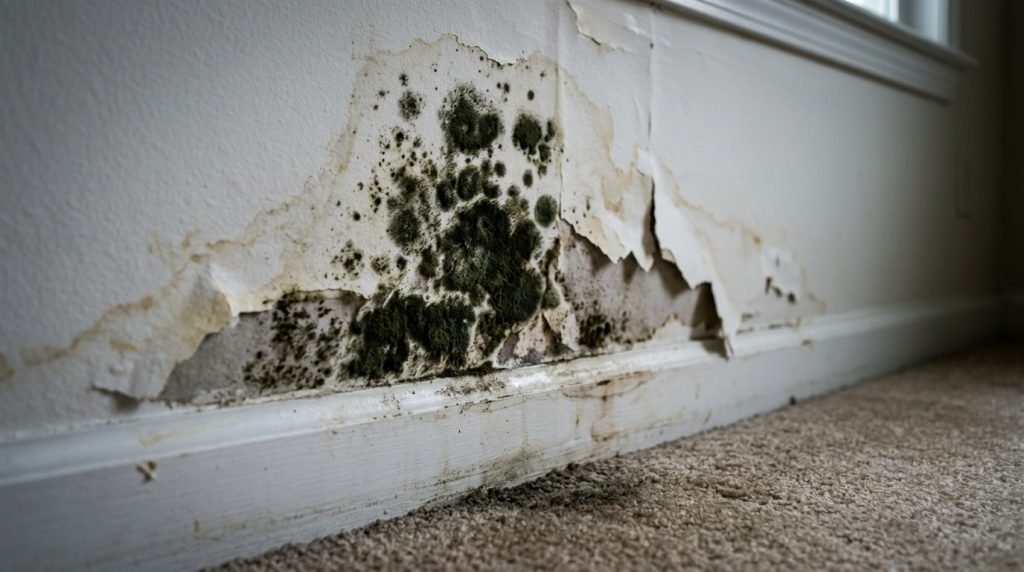
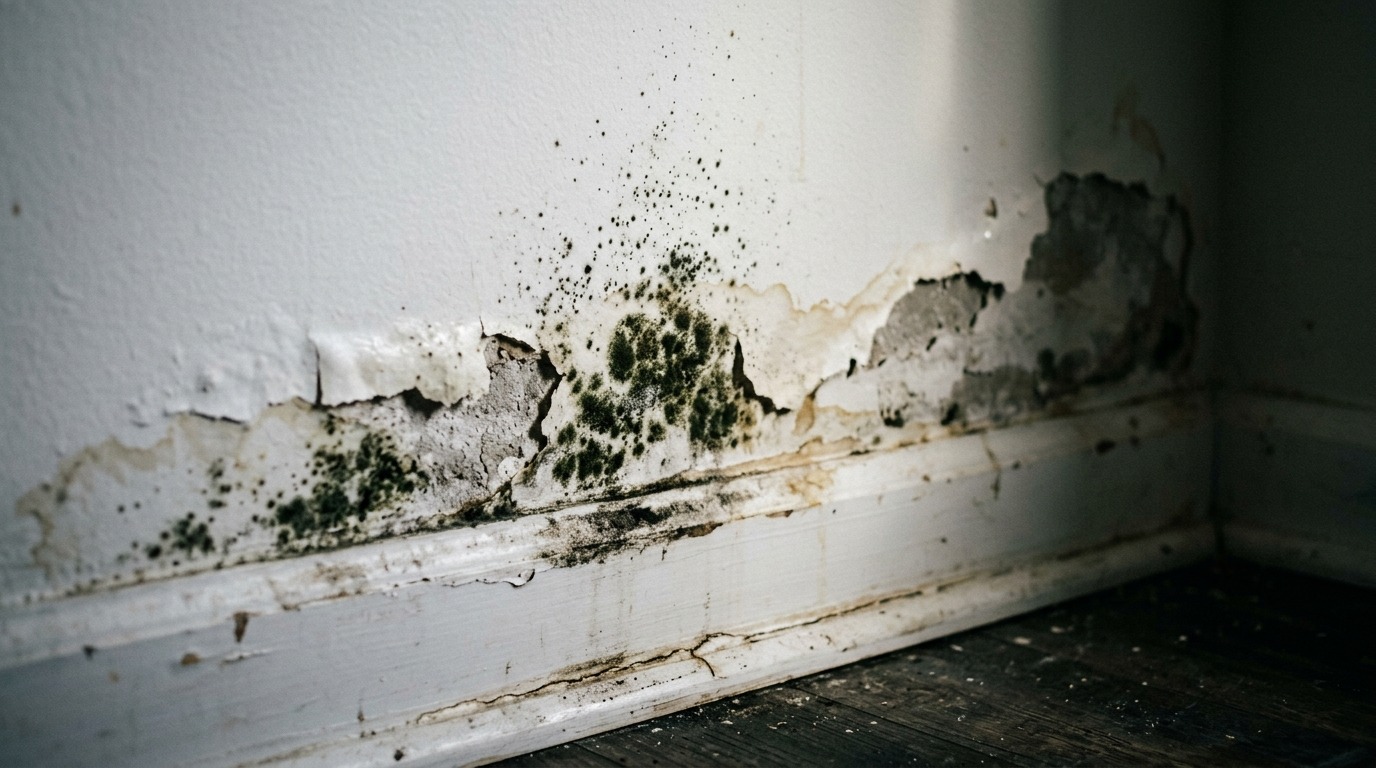
Contact your restoration company and your insurance carrier at the same time. While you wait for the crew, cordon off the affected area and keep tenants out. Even clean water from a burst pipe can lead to mold within 24 to 48 hours. Move anything salvageable out of the water’s path if it can be done safely.
Emergency Response Planning for Facility Managers
Effective facility managers treat water damage like a fire drill by maintaining a pre-established emergency response plan. Know which restoration company to call, keep insurance documentation accessible, and have a communication chain so the right people get the right information fast.
When the emergency is live, assign one point of contact who coordinates between tenants, the restoration crew, and the insurance adjuster. For multi-tenant commercial buildings, document every affected unit with separate reports. Your insurer and tenants will both need this.
Managing Tenant Relocation During Mold Remediation Projects
Tenants need to know what’s happening, why, how long it will take, and what you’re doing to protect their health. Give written notice as early as possible with the timeline, reason for displacement, and who to contact with questions. If units are uninhabitable, know your lease obligations and put any arrangements in writing.
Work with your restoration company to sequence the work so relocation is as brief as possible. A good contractor will schedule containment and air scrubbing to minimize how long tenants are out.
Essential Industry Certifications for Restoration Contractors
The Institute of Inspection, Cleaning and Restoration Certification (IICRC) is the primary industry standard for property damage repair. Look for S500 (Water Damage Restoration) and S520 (Mold Remediation) credentials. These mean technicians follow documented protocols, not guesswork.
North Carolina also requires licensed general contractors for major structural repair. Confirm that’s in place if your project extends beyond drying and mitigation.
How to Verify Licensing and Insurance for Restoration Services
Before signing a contract, request a Certificate of Insurance showing general liability coverage of at least $1 million per occurrence. Also verify workers’ compensation coverage for any crew on site, IICRC credentials with certification numbers you can verify, and the North Carolina contractor license number at nclbgc.org. A legitimate company provides all of this without hesitation.
Frequently Asked Questions
How quickly does mold develop after water damage?
Mold can begin growing within 24 to 48 hours. Charlotte’s humidity makes this window even shorter in warmer months.
Are property managers legally required to notify tenants about mold?
Yes. North Carolina law requires disclosure of known mold and habitability issues. Respond in writing and promptly to tenant reports.
Can restoration work continue while tenants remain in the building?
Minor water mitigation can often proceed with tenants present. Active mold remediation with containment barriers typically requires temporary relocation.
Who pays for tenant relocation during remediation?
It depends on the cause and your lease terms. If the damage is a covered loss, your commercial property insurance may cover displacement costs. Talk to your adjuster early.
Statewide Restoration works with commercial property managers throughout the Charlotte area on water damage and mold remediation, including coordination with insurance adjusters. Call (704) 559-9922 or email info@swresto.com to talk through your situation.