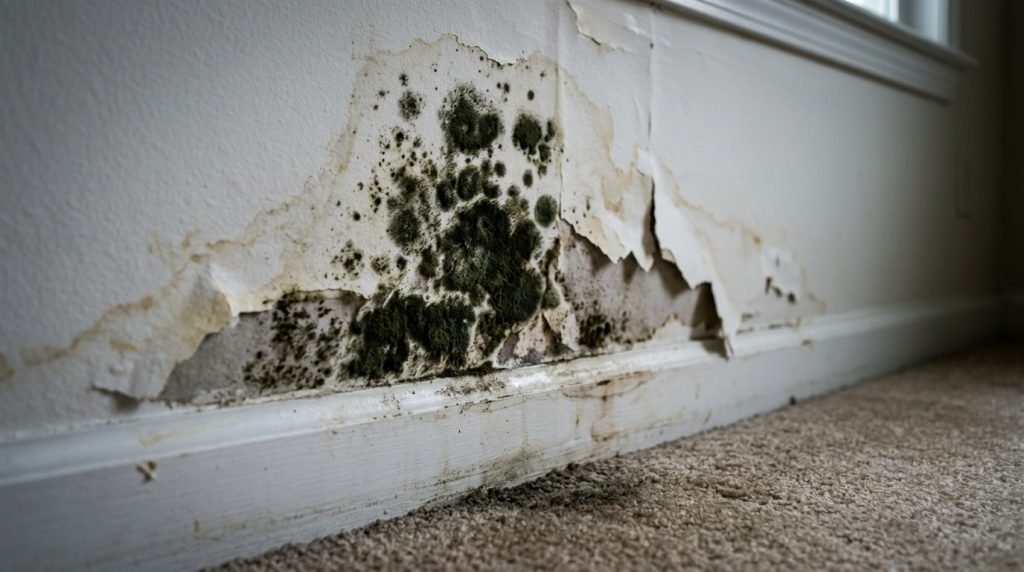
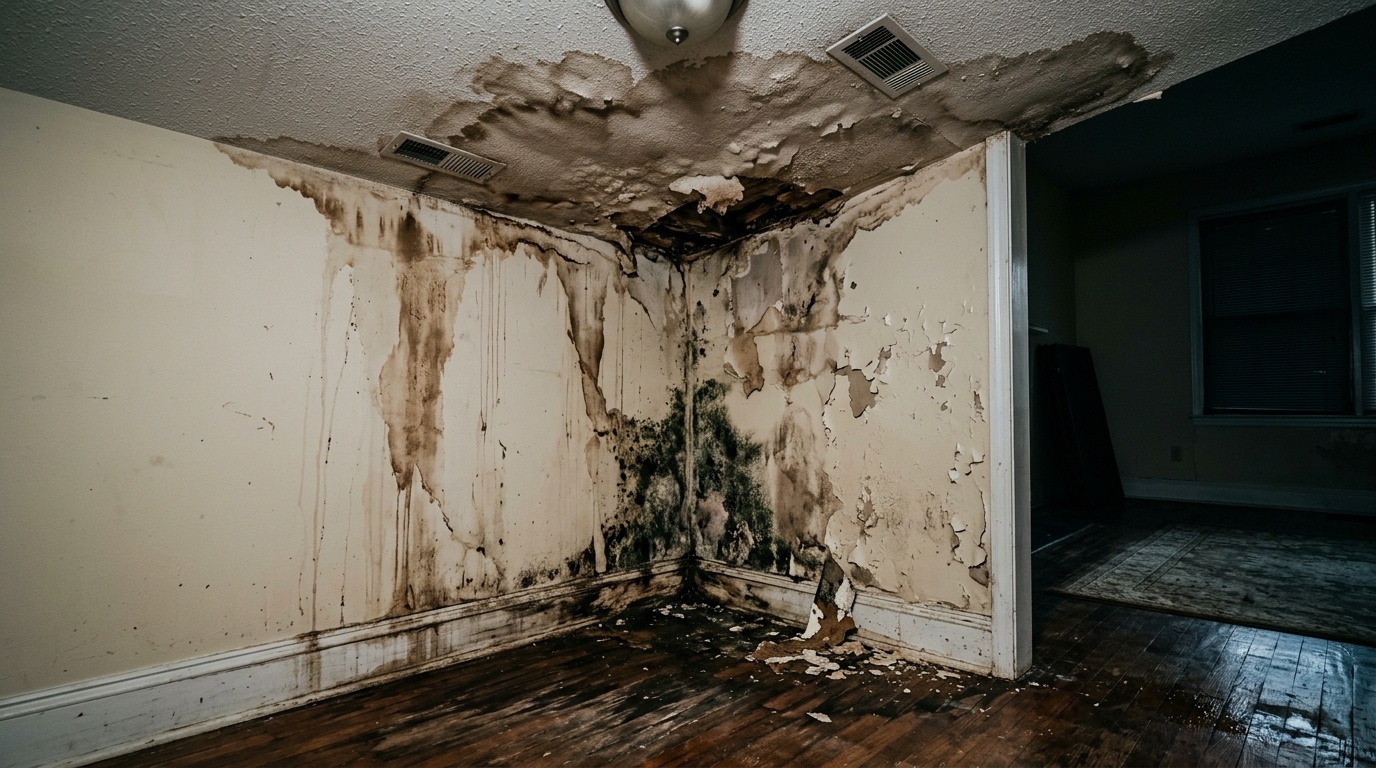

After a fire or mold discovery, the restoration path differs sharply depending on what you’re facing. The choices you make in the first 48 hours affect cost, timeline, and whether the problem stays solved. Fire damage restoration focuses on removing airborne particles and embedded soot before they bond to surfaces, while mold remediation requires stopping the moisture source before cleanup begins.
> Key Takeaways > – Smoke damage requires removal of airborne particles from surfaces and HVAC systems within 48 to 72 hours of the fire to prevent permanent odor and material degradation. > – Mold remediation scope is determined by the square footage of visible growth and the type of moisture source; containment and source control must happen before cleanup to prevent regrowth. > – Post-fire and post-mold work requires clearance testing or inspection before occupancy to verify the space is safe and the problem won’t return.
How the Process Works
Fire damage restoration follows a strict sequence: assess and document affected areas, remove materials too damaged to salvage, clean and deodorize salvageable surfaces, clean HVAC systems to eliminate circulated particles, and conduct a final inspection to confirm the space is safe. Mold remediation requires a different order: first identify and repair the moisture source, then contain the affected area to prevent spore spread, remove contaminated materials, clean and treat surrounding surfaces, and conduct clearance testing to verify the work succeeded. The order matters because skipping or reversing steps leads to recontamination and wasted expense. If you clean mold without stopping the leak or condensation problem, visible growth returns within weeks. If you replace fire-damaged drywall without cleaning the HVAC ducts, soot and odor circulate back into the repaired space.
Smoke particles bond to surfaces and circulate through HVAC systems; without duct cleaning and air scrubbing, odor and soot residue persist even after visible damage is removed. The timeline depends on whether structural materials need replacement or just surface cleaning, but rushing the sequence to save time guarantees rework.
What Affects Cost and Timeline
Fire damage cost depends on square footage affected, whether contents require professional cleaning or disposal, the extent of HVAC contamination, and whether structural materials like drywall and framing need replacement versus surface cleaning. A kitchen fire with localized soot costs far less than a fire that spread smoke throughout the house and into ductwork. Mold remediation cost is driven by the total square footage of visible growth, whether the moisture source is active or already controlled, accessibility of affected areas like crawlspaces or wall cavities, and whether testing is required before and after work. A small visible patch in an accessible basement costs a fraction of hidden growth inside walls or an active water intrusion that must be stopped before remediation can even begin.
Mold in rental properties often requires pre- and post-remediation testing to meet liability and lease standards, adding cost and time compared to owner-occupied homes. These factors stack quickly, so understanding what drives the scope helps you budget realistically and avoid surprises when the estimate arrives.
Common Mistakes to Avoid
Treating fire damage as cosmetic cleanup is the most expensive mistake property owners make. Painting over soot or replacing drywall without addressing HVAC contamination and airborne particles leaves the problem embedded in the building. The odor returns, surfaces discolor again, and the work has to be redone. Addressing mold without stopping the moisture source guarantees regrowth within weeks, no matter how thoroughly the visible growth is removed. If the leak, condensation, or drainage issue isn’t fixed first, you’re just cleaning the symptom.
Skipping clearance inspection after fire or mold work risks health exposure and future liability, especially in rental or commercial settings. Occupying a space without professional verification that the problem is solved and the air is safe is a gamble that rarely pays off. Attempting DIY cleanup on large jobs spreads contamination instead of containing it. Commercial-grade equipment, containment protocols, and proper disposal are required by code for jobs over a certain size, and improper handling voids insurance claims.
Insurance claims for fire or mold damage often require documentation from a licensed restoration company; DIY cleanup or work by unlicensed contractors may not be covered. That means you pay out of pocket for work that should have been reimbursed, then pay again to have it done correctly.
Choosing a Restoration Provider
Verify licensing and insurance before signing anything. Restoration work in North Carolina requires a contractor license and liability coverage, and a provider who can’t produce both immediately is a red flag. Ask about containment and equipment. A qualified provider uses negative air pressure, HEPA filtration, and sealed work zones to prevent cross-contamination to unaffected areas. If they don’t mention containment or filtration unprompted, they’re not equipped for the job.
Understand clearance standards before work begins. Ask whether the provider includes post-work testing or inspection and what standard they follow, whether that’s IICRC, EPA, or local code. If they can’t answer that question clearly, they’re guessing at completion criteria. Experience with your specific scenario matters more than general restoration experience. Fire damage in a kitchen differs from smoke damage throughout a house. Mold in a basement differs from mold in an attic. A provider familiar with your situation will identify hidden damage and avoid costly oversights that only show up after the invoice is paid.
Frequently Asked Questions
After a kitchen fire, how do I know if I need to replace cabinets and drywall, or if cleaning is enough?
The decision depends on material type and heat exposure. Wood cabinets with surface soot can often be cleaned and sealed, but cabinets exposed to direct flame or intense heat lose structural integrity and need replacement. Drywall with light smoke residue can be cleaned and primed, but drywall saturated with water from firefighting or charred by flame must be cut out. A restoration professional tests surface integrity and checks for hidden damage behind visible areas before making the call.
I found mold in my basement but the water intrusion stopped. Do I still need to fix the source before remediation?
Yes, even if the active leak or flooding stopped, the moisture source must be verified as permanently resolved before remediation begins. Mold grows when relative humidity exceeds 60 percent for extended periods, so stopping visible water isn’t enough if condensation, poor drainage, or high humidity remains. A restoration provider will measure moisture levels in affected materials and confirm the environment won’t support regrowth before starting cleanup.
What does a clearance inspection actually check for, and how long does it take?
A clearance inspection verifies that airborne spore counts or particle levels have returned to acceptable ranges and that no visible contamination remains. For mold, this typically involves air sampling and surface testing compared to baseline readings taken before work began. For fire damage, it includes visual inspection and air quality testing for particulates and odor compounds. Most clearance inspections take one to two hours on site, with lab results available within three to five business days.
If I’m renting out a property and a tenant reports mold, what am I legally required to do?
North Carolina landlord-tenant law requires you to maintain habitable conditions, which includes addressing mold caused by structural defects or maintenance failures. You must investigate the report, determine the cause, and remediate if the mold results from a condition you’re responsible for maintaining. If the mold is caused by tenant behavior like blocking ventilation or failing to report leaks, your obligation may differ. Document everything and consult an attorney if liability is unclear, because improper handling creates legal exposure.
Verify Before You Commit
Check whether the provider’s clearance standard matches what your insurance or lease requires before work begins, not after the invoice arrives. Ask for a written scope that lists containment methods, disposal protocols, and testing procedures so you can compare providers on substance instead of price alone. Statewide Restoration Inc offers 24/7 emergency response for fire damage restoration and mold remediation throughout the Charlotte area, with documentation and insurance assistance included in the process.