
When water, fire, or smoke damage hits your property, the first 24 hours matter, not just for stopping damage, but for protecting your insurance claim. Property managers and homeowners often don’t know what to document, what to keep, or how to prove the scope of damage to their insurer. This checklist covers exactly what to collect, when, and why.
Here is what property managers and homeowners need to know before the adjuster arrives:
- Photograph everything immediately: wide shots and close-ups of every affected area
- Preserve damaged items and receipts; don’t throw anything away until the adjuster visits
- Document your timeline: when damage was discovered, what caused it, and steps you took
- Create a summary sheet listing all affected areas and estimated loss
- Statewide Restoration works directly with your insurer, no out-of-pocket cost for covered claims
- Emergency mitigation (water extraction, boarding, tarping) is covered from day one
Why Documentation Makes or Breaks Your Insurance Claim
Adjusters can only approve what they can see and verify. Incomplete documentation means reduced payouts or denials. Property managers juggle multiple properties and carriers, which means documentation falls through the cracks unless there’s a system.
**Insurance covers professional restoration through Statewide Restoration.** That means your documentation isn’t just protecting your claim. It’s the roadmap that gets the work done fast and fully covered.
Your Immediate Action Checklist
The moment you discover damage, start documenting. Don’t wait for the adjuster. Grab your phone and:
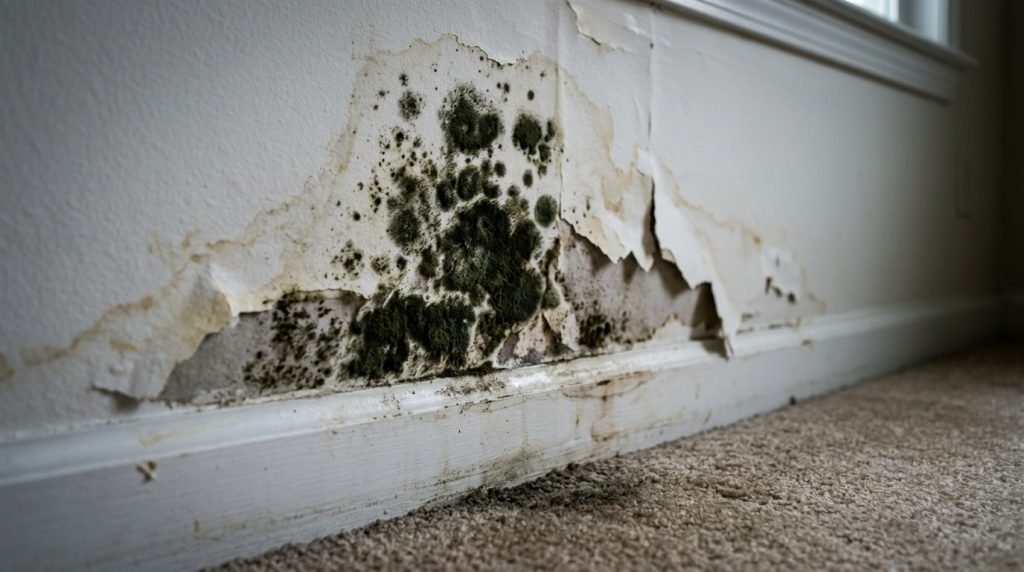
1. **Photograph and video the affected areas:** wide shots and close-ups. Capture water lines, staining, and debris before anything is moved.
2. **Document the timeline:** when you discovered it, what caused it, when the water or fire stopped.
3. **List affected items:** furniture, equipment, flooring, walls. Be specific (e.g., “8 office chairs, 3 desks, 15 boxes of files”).
4. **Preserve evidence:** don’t discard wet or burned materials until the adjuster visits.
5. **Save receipts and logs:** lease agreements, purchase orders, contractor estimates, and a running log of every call and email with your insurer.
What Insurance Typically Covers
Standard commercial and residential property insurance covers water damage restoration, fire and smoke remediation, mold remediation triggered by a covered loss, and business interruption (often overlooked, so ask your adjuster). Statewide coordinates directly with your adjuster, documents scope, and handles all restoration. Your insurer pays; you focus on getting your property back.
Before the Adjuster Arrives
Organize documentation by location and timestamp. Create a one-page summary sheet listing damage type, affected areas, and estimated loss. Make sure the adjuster can access every affected area without barriers. Temporary containment and tarps go up after documentation, not before.
Frequently Asked Questions
**Q: What if I don’t have documentation when the adjuster arrives?**
A: Start immediately, even if the adjuster is already scheduled. It’s not too late. The adjuster can only approve what’s visible and verified, so late documentation is still better than none.
**Q: Does insurance cover emergency mitigation?**
A: Yes. Water extraction, boarding, and tarping prevent further loss and are covered under most policies. Statewide starts mitigation as soon as we’re called, and insurance approves it as part of the claim.
**Q: Can I start full restoration before approval?**
A: Wait for adjuster approval on full restoration so the scope aligns with what insurance will pay. Emergency mitigation is the exception: that starts immediately and is covered from day one.
**Q: What if I manage multiple buildings?**
A: Document each property separately. Policies typically have per-location deductibles, so claims are filed separately. Statewide can coordinate across multiple properties.
If your Charlotte property has been damaged by water, fire, or smoke, call Statewide Restoration at (704) 559-9922 or email info@swresto.com. We handle documentation, coordinate with your insurer, and get restoration started immediately.