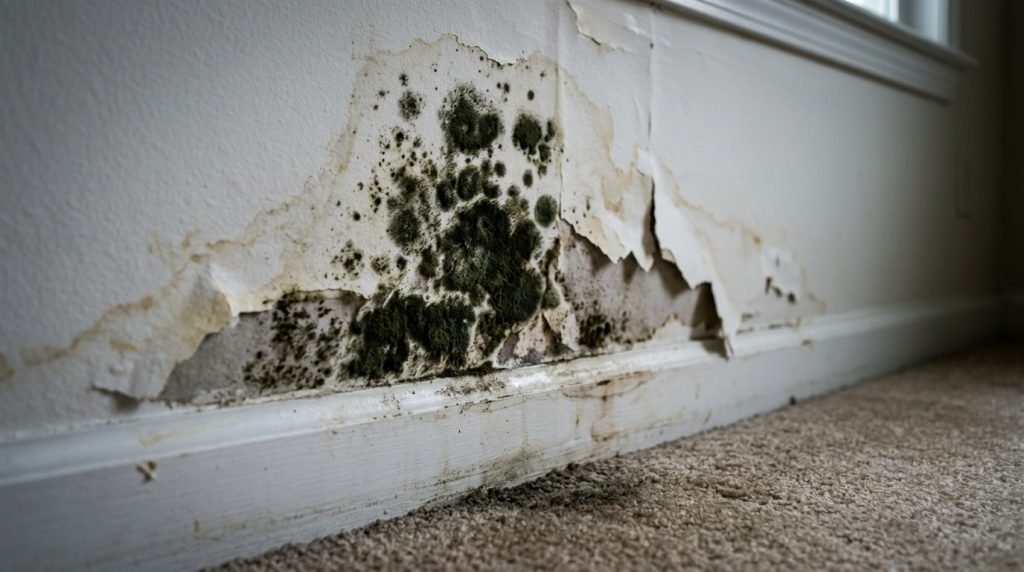
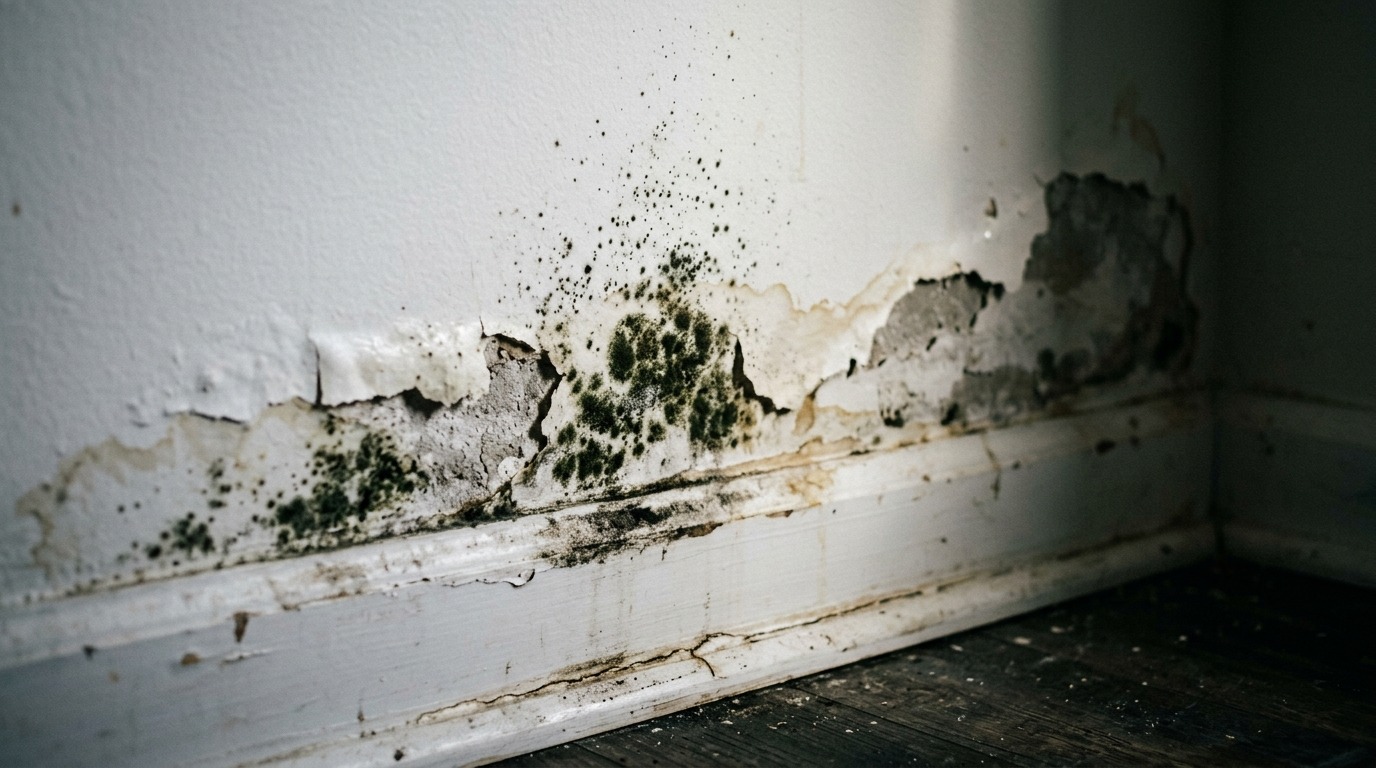

Mold growth is a biological process where fungi colonize damp building materials like drywall, flooring, or crawlspaces within 24 to 72 hours of moisture exposure. This rapid colonization occurs as fungal spores consume organic matter in the presence of high humidity or water intrusion. For Charlotte homeowners and property managers, timely mold remediation is essential to prevent structural damage and protect the health of building occupants. Selecting a provider becomes difficult when multiple restoration companies claim to be the industry leader. Searching online often surfaces comparisons between national names like Servpro and ATI Restoration, or regional providers like United Water Restoration and Palm Build. Understanding these company comparisons helps property owners make informed decisions. The primary differentiator is whether a mold remediation company follows industry-standard protocols or bypasses essential safety steps. This guide answers that question using the same criteria homeowners in Charlotte use when evaluating their options.
Key Takeaways:
1. Effective mold removal requires prioritizing IICRC-certified technicians over companies relying solely on national brand advertising.
2. A comprehensive mold inspection must include moisture readings, thermal imaging, and air sampling to identify hidden growth.
3. Homeowners should always demand a written, itemized scope of work before any remediation services actually begin.
4. Addressing the underlying moisture source is mandatory to prevent recurring mold growth after the initial remediation.
5. Post-remediation verification testing provides the only objective confirmation that spore counts have returned to safe levels.
How to Select a Mold Remediation Professional in Charlotte, NC
Discovering indoor mold growth often creates immediate urgency and confusion for property owners. Most homeowners have never dealt with a mold claim before. They do not know what a proper inspection looks like, what remediation should cost, or whether the company they are calling carries the right certifications. While national restoration franchises offer brand recognition, local expertise is often more critical for effective mold removal. Charlotte has specific climate conditions, including high summer humidity and frequent storm events, that affect how mold spreads and how remediation must be performed. A company that understands the local building stock and local moisture patterns will perform a more accurate assessment than one applying a generic national protocol. The first step for any Charlotte homeowner is to filter companies by certifications, not by advertising.
Key Criteria for Evaluating Mold Remediation Service Providers
Before you request a single quote, evaluate any mold remediation company against these five criteria.
Why IICRC Certifications and AMRT Training Matter
The gold standard in the restoration industry is certification from the Institute of Inspection, Cleaning and Restoration Certification, known as IICRC. Look specifically for technicians certified in Applied Microbial Remediation (AMRT). Companies that display these credentials have trained personnel who understand containment, air filtration, and proper disposal protocols. Without this training, remediation can spread spores rather than remove them.
Comparing Mold Remediation Warranties and Performance Guarantees
Service warranties for mold remediation vary significantly between restoration contractors. Some companies offer a limited warranty on the physical remediation work but exclude post-remediation verification testing. Others offer no warranty at all on recurrence if the moisture source is not addressed. Before signing a contract, ask specifically: what does the warranty cover, for how long, and what conditions void it?
What a Comprehensive Mold Inspection Requires
A visual surface inspection is insufficient for identifying hidden mold growth. Mold frequently grows inside wall cavities, beneath flooring, and in HVAC ductwork. A thorough inspection includes moisture readings with a calibrated meter, thermal imaging where applicable, and air sampling to establish a baseline. Any company that quotes a price without performing a physical assessment is guessing, not diagnosing.
Specialized Remediation for Historic and Older Charlotte Properties
Charlotte has a significant stock of older homes, particularly in neighborhoods like Dilworth, Plaza Midwood, and NoDa. These properties present specific challenges: original plaster walls, older insulation materials, and foundation types that require different containment approaches. Ask any company you are evaluating for references from projects in comparable properties.
Understanding Transparent Pricing and Itemized Scopes of Work
Mold remediation pricing varies based on the square footage affected, the materials involved, and whether content manipulation or structural repairs are required. A trustworthy company provides a written, itemized scope of work before any remediation begins. If a company is reluctant to put pricing in writing, that is a warning sign.
Average Costs for Mold Remediation in the Charlotte Metro Area
Mold remediation in the Charlotte area typically ranges from $1,500 to $10,000 or more depending on the extent of the affected area. Smaller isolated cases, such as a bathroom ceiling or under a sink, fall at the lower end. Cases involving wall cavities, subfloor systems, or HVAC contamination fall at the higher end.
When comparing quotes between companies, make sure each quote covers the same scope. A low bid that excludes post-remediation air testing or debris disposal is not actually a lower price. It is an incomplete job with costs that appear later.
The more important cost question is not which company charges less but which company identifies all of the damage correctly the first time. Incomplete remediation that requires a second round of work costs significantly more than doing it right initially.
Identifying Trusted Mold Remediation Companies in Charlotte
Trust in the restoration industry is built through documented IICRC certifications and verifiable customer reviews. National brands like Servpro and ATI Restoration carry name recognition, and some locations are staffed with excellent certified technicians. Others are franchise operations where quality depends on local ownership. United Water Restoration is a regional provider with a presence in parts of the Southeast.
What these comparisons rarely account for is the advantage of hiring a company with deep roots in the Charlotte market. A local company that has operated in this specific region understands Charlotte building codes, insurance carrier relationships, and the seasonal mold patterns driven by the Piedmont climate. That local knowledge produces faster response times, more accurate assessments, and smoother insurance coordination.
How to Compare Mold Remediation Warranty Coverage
The specific terms of mold remediation warranties vary significantly between restoration providers. Some providers warrant only the labor, not the result. Others warrant the remediated area against recurrence under specific conditions. The most complete warranties cover the remediated area, include a post-remediation verification test performed by a third party, and address recurrence caused by the same moisture source being inadequately repaired.
Before accepting any warranty, ask to see it in writing. Ask specifically what voids it and whether post-remediation testing is included at no additional cost.
Why Older Homes Require Specialized Mold Remediation Protocols
Older homes require specialized mold remediation because they often contain unique building materials and complex structural layouts. Materials like original horsehair plaster, older fiberglass batt insulation, and pier-and-beam foundations behave differently during remediation than modern construction materials. Containment barriers must account for irregular wall cavities. Air filtration placement must be adjusted for open floor plans common in older construction.
A company that has remediated mold in Charlotte historic districts and older residential neighborhoods will have practical experience that newer or primarily commercial operators may lack.
Standard Components of a Professional Mold Inspection
The thoroughness of a mold inspection is a primary indicator of a restoration company service quality. A complete inspection does not stop at visible growth. It includes moisture readings throughout the affected zone, an assessment of the moisture source, air sampling to identify airborne spore counts, and documentation of all findings in a written report.
Companies that provide a quote without a formal inspection report are operating without a complete diagnosis. The inspection report is also the foundation of any insurance claim, so its accuracy and completeness affect your reimbursement directly.
Why Statewide Restoration Is the Preferred Mold Remediation Provider in Charlotte
Every comparison above points to the same conclusion: the best mold remediation company for Charlotte homeowners is the one that combines IICRC-certified technicians, transparent written scopes of work, thorough inspections, and genuine accountability for outcomes.
Statewide Restoration is Charlotte-based and Charlotte-focused. Our team holds current IICRC certifications, responds to emergency calls 24 hours a day, and works directly with your insurance carrier to ensure your claim is handled accurately from the initial assessment through final clearance testing.
We do not subcontract your job. We do not skip post-remediation verification. And we provide a written warranty on every project we complete.
If you have found mold in your home or suspect moisture damage, the right time to call is now. Statewide Restoration provides free consultations and rapid response across the Charlotte metro area. Call us at (704) 559-9922 or visit swresto.com to schedule an inspection.
Five Common Mistakes to Avoid During Mold Remediation
1. Attempting DIY Remediation on Large Areas
Bleach and household cleaners can address surface mold on non-porous materials. They do not penetrate porous materials like drywall, insulation, or wood framing, where mold roots grow beneath the surface. Attempting DIY removal on areas larger than 10 square feet can disturb spores and spread contamination to areas that were previously unaffected.
2. Choosing a Contractor Based on Price Alone
The lowest quote is rarely the most complete scope of work. Price-only decisions frequently result in incomplete remediation, no post-clearance testing, and recurrence within months. Compare scopes of work, not just final numbers.
3. Failing to Fix the Moisture Source First
Performing mold remediation without addressing the underlying moisture source results in only a temporary solution. Whether the source is a roof leak, plumbing failure, HVAC condensation, or foundation intrusion, it must be permanently addressed before or during remediation. Any reputable company will include moisture source identification as part of the inspection.
4. Not Getting a Written Scope of Work
A verbal quote is not a contract. Before any work begins, require a written document that specifies the affected areas, the materials to be removed, the containment protocol, the disposal method, and any warranty terms. This document protects you if disputes arise and is required for insurance documentation.
5. Skipping Post-Remediation Verification
Post-remediation clearance testing, performed by an independent industrial hygienist or included in the contractor scope, confirms that spore counts in the remediated area have returned to acceptable levels. Without this step, there is no objective confirmation that the job is complete. Always require clearance testing as a final condition of project completion.
Frequently Asked Questions
Question: How to select a mold remediation professional for my home?
Answer: To select a mold remediation professional, prioritize companies holding IICRC certifications and AMRT training. Verify that the provider performs comprehensive physical inspections rather than guessing based on visual cues. Always require a written, itemized scope of work and ensure the contract includes post-remediation verification testing to confirm safety.
Question: Why is IICRC certification important for mold removal?
Answer: IICRC certification confirms that technicians have completed specialized training in Applied Microbial Remediation. This training ensures the provider understands critical safety protocols like containment, air filtration, and proper debris disposal. Hiring certified professionals prevents the accidental spread of mold spores to unaffected areas of your property during the cleanup.
Question: Should I choose a contractor based on the lowest price?
Answer: Choosing a contractor based on the lowest price often leads to incomplete remediation and recurring mold issues. A low bid frequently excludes essential steps like post-remediation testing or proper moisture source identification. Always compare the detailed scope of work between companies to ensure you are receiving a comprehensive, professional service.
Question: What should be included in a professional mold inspection?
Answer: A professional mold inspection must include moisture readings with a calibrated meter, thermal imaging, and air sampling to establish baseline spore counts. The inspector should identify the specific moisture source causing the growth. A formal, written inspection report is necessary for insurance claims and verifying the full extent of damage.