
How to Document Property Damage for Insurance and Navigate Adjuster Inspections in Charlotte, NC
Property damage insurance claims are formal requests for financial recovery filed by policyholders following losses from events such as fire, smoke, or water. The claims process requires a detailed inspection where an insurance adjuster evaluates the cause and severity of the damage to calculate a settlement. Proper documentation of the loss is the most critical factor in securing an accurate and fair reimbursement for restoration services. Learning how to document property damage for insurance is the most effective way to ensure your claim process moves smoothly toward a fair settlement.
Key Takeaways
- Insurance adjusters evaluate the source, extent, and category of property damage to determine claim validity.
- Proper documentation of loss directly impacts the final outcome of your property insurance claim settlement.
- For water damage, adjusters look at water migration patterns and specific contamination levels within structures.
- A clear inventory, photos, receipts, and communication log are the core of any strong claim.
- Professional restoration companies like Statewide Restoration document damage to the standard insurers expect, protecting settlements.
This guide walks Charlotte homeowners and property owners through the process: what insurance adjusters look for when they inspect water, fire, and smoke damage, how they estimate repair costs, what documentation you need, and how a professional restoration company like Statewide Restoration can support your claim from start to finish.
What Insurance Adjusters Evaluate During Water and Smoke Damage Inspections
An insurance adjuster conducts a structured assessment to evaluate the scope of property damage and determine coverage eligibility. Understanding their criteria helps you prepare. Knowing how to document property damage for insurance allows you to align your records with the specific evidence adjusters require during their site visits.
For water damage claims, adjusters typically examine:
- The origin and source of the water (burst pipe, flooding, roof leak, appliance failure).
- How far the water has migrated through flooring, walls, and building materials.
- The contamination category: Category 1 (clean water), Category 2 (gray water), or Category 3 (black water, the most hazardous).
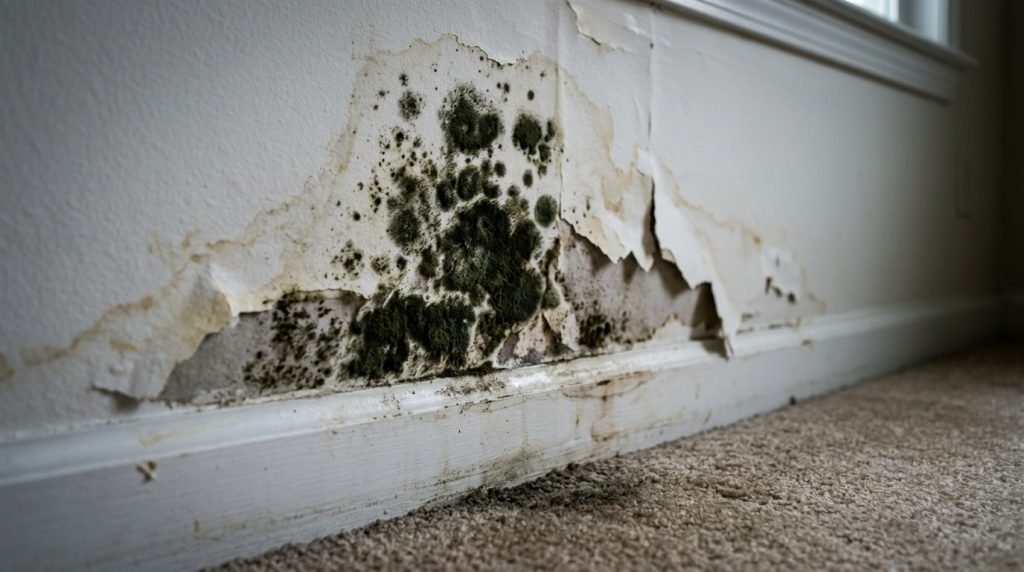
- Signs of secondary damage such as mold growth, structural warping, or compromised drywall.
For smoke damage claims, adjusters focus on:
- The type of smoke (wet, dry, protein, or fuel oil), which affects how deeply residue penetrates surfaces.
- The pervasiveness of soot and residue on walls, ceilings, HVAC systems, and personal belongings.
- The extent of odor penetration in structural materials and contents.
- Visible char or heat damage to framing, fixtures, and finishes.
The more accurately these factors are documented before the adjuster arrives, the stronger your position.
How Insurance Adjusters Calculate Repair Costs and Required Documentation
Insurance adjusters typically use Xactimate, an industry-standard pricing software, alongside contractor estimates and site measurements to calculate repair costs. They assign line-item pricing to each category of work: demolition, drying, structural repair, content cleaning, and more.
For your claim to reflect the full scope of damage, you need to match their documentation with your own.
Insurance documentation checklist for water or fire damage restoration claims:
- Photographs and video taken immediately after discovery, with wide shots and close-ups of every affected area.
- A written inventory of all damaged or destroyed contents with purchase dates and estimated values.
- Copies of any contractor estimates or restoration company assessments.
- Receipts for emergency expenses including temporary housing, board-up services, and emergency water extraction.
- Your full insurance policy and declarations page.
- A running log of all calls, emails, and meetings with your insurer and adjuster.
- Any previous inspection records, appraisals, or repair receipts that establish pre-loss condition.
Do not discard damaged materials before the adjuster visits. Adjusters often require physical evidence to approve line items.
Step-by-Step Guide: Documenting Fire and Smoke Damage for Insurance Claims
Acting quickly and methodically after fire or smoke damage gives your claim the best chance of a full settlement. Follow this framework:
Step 1: Secure the property. Before documenting, ensure the structure is safe to enter. Board up openings to prevent unauthorized access or further weather damage. Statewide Restoration provides emergency board-up services for Charlotte property owners and can help secure your property right away.
Step 2: Photograph everything before cleanup begins. Walk every room with a camera or phone. Capture ceilings, walls, floors, and contents from multiple angles. Document damage to HVAC vents, light fixtures, and storage areas.
Step 3: Create a detailed contents inventory. List every item that was damaged or destroyed. Include descriptions, estimated ages, and approximate replacement costs. Check online marketplaces to establish fair market values.
Step 4: Document your out-of-pocket costs. Keep every receipt related to the loss, including hotel stays, meals if displaced, storage units, and emergency cleaning. These are often reimbursable under additional living expense coverage.
Step 5: Maintain a communication log. Write down the date, time, name, and summary of every conversation with your insurance company or adjuster. Follow up by email to create a written record.
Step 6: Get a professional damage assessment. A certified restoration company can produce a scope of work that uses the same line-item format insurers use, which reduces disputes over what repairs are necessary.
Why Professional Restoration Services Improve Insurance Claim Outcomes in Charlotte
One of the most common mistakes homeowners make is attempting to document and manage a claim without professional help. Insurance adjusters are experienced in their field and they work for the insurer, not for you.
Statewide Restoration works alongside Charlotte homeowners and property owners to provide:
- A thorough, certified damage assessment using industry-standard documentation methods.
- A detailed scope of work that aligns with how adjusters calculate costs.
- Assistance coordinating with your adjuster during site visits.
- Complete restoration services from water extraction and drying to smoke odor removal and structural repair.
Having a professional on-site during the adjuster’s inspection ensures that no damage goes unrecorded. Statewide Restoration serves the Charlotte, NC area and is available around the clock for emergency response and claim support.
Contact Statewide Restoration today to schedule a damage assessment and get expert guidance through your insurance claim.
Frequently Asked Questions
What is the best way to document property damage for insurance?
To document property damage for insurance effectively, take comprehensive photographs and videos of all affected areas immediately. Create a detailed written inventory of damaged contents, maintain a log of all communications with your insurer, and secure professional estimates to ensure your claim accurately reflects the full scope of your loss.
What does an insurance adjuster actually do on a site visit?
The adjuster photographs and measures affected areas, tests moisture levels or air quality, and creates a written estimate of covered repairs. Statewide Restoration can be present during this visit to ensure all damage is captured and properly documented according to industry standards.
Can I clean up before the adjuster comes?
You can make temporary repairs to prevent additional damage, such as tarping a roof or boarding windows. However, do not discard any damaged materials or restore affected areas until the adjuster has completed their inspection, as physical evidence is critical for the approval of your insurance claim line items.
What if I disagree with the adjuster’s estimate?
You have the right to request a re-inspection, provide a competing estimate from a licensed contractor, or invoke the appraisal clause in your policy. Statewide Restoration can provide detailed documentation to support your position in any dispute regarding the scope of work or the total cost of your repairs.