
Water damage is one of the most frequent – and expensive – issues U.S. homeowners face. What starts as a slow drip under the sink or a faint stain on the ceiling can quickly spiral into costly structural repairs, mold growth, and health hazards.
The challenge? Common water damage often develops silently. Unlike a burst pipe or major flood, smaller leaks can go unnoticed for weeks or even months. That’s why early detection and prevention are crucial.
In this guide, we’ll cover the most common water damage causes, how to spot early water damage signs, and practical steps for home water damage prevention. Whether you’re a new homeowner or simply want to avoid future repairs, this article will help you stay prepared – and protected.
What Is Considered Water Damage?
Water damage includes any deterioration caused by unwanted moisture inside your home. That might mean soaked drywall, warped wood flooring, mold in hidden corners, or even electrical hazards. The most common water damage causes include:
- Leaking pipes
- Malfunctioning appliances
- Roof leaks
- Foundation seepage
- Heavy rain or poor drainage
Even high indoor humidity can contribute to common water damage if not addressed properly.
Time is critical. The longer water sits, the deeper it penetrates – into insulation, structural supports, and subflooring. What might have been a minor repair can quickly become a major restoration project. Early action minimizes costs, reduces health risks, and protects your home’s integrity.
Most Common Causes of Water Damage in Homes
Understanding the leading water damage causes help you to prevent small problems from becoming expensive ones. Here are the most frequent offenders:
- Leaking or Burst Pipes
Aging pipes, corrosion, or frozen water can cause cracks or ruptures. Even a slow leak behind a wall can lead to mold and rot over time.
- Roof Leaks
Missing shingles or damaged flashing can let rain seep into the attic or walls. Most roof leaks go unnoticed until water stains or sagging ceilings appear.
- Faulty Appliances
Washing machines, dishwashers, and water heaters are common sources of leaks. A cracked hose or loose connection can cause continuous, unnoticed water flow.
- Basement Flooding
Poor drainage, failed sump pumps, or hydrostatic pressure can cause water to enter your basement – a major contributor to mold and long-term damage.
- Clogged Gutters and Downspouts
When gutters overflow, water pools around the foundation. Over time, this leads to basement leaks or erosion of structural supports.
- Improper Grading and Foundation Issues
If your yard slopes toward your home, rainwater collects at the base and may seep into walls or through foundation cracks.
- HVAC Condensation and Plumbing Problems
Condensation from air conditioners or small plumbing leaks can accumulate behind walls or in ceiling cavities, creating ideal conditions for hidden moisture damage.
Staying aware of these common water damage risks – and checking your home regularly – is the first step in long-term prevention.
Early Water Damage Signs You Shouldn’t Ignore
Most water damage signs start small. Spotting them early can help you prevent major repairs. Look out for:
- Discoloration on Walls or Ceilings
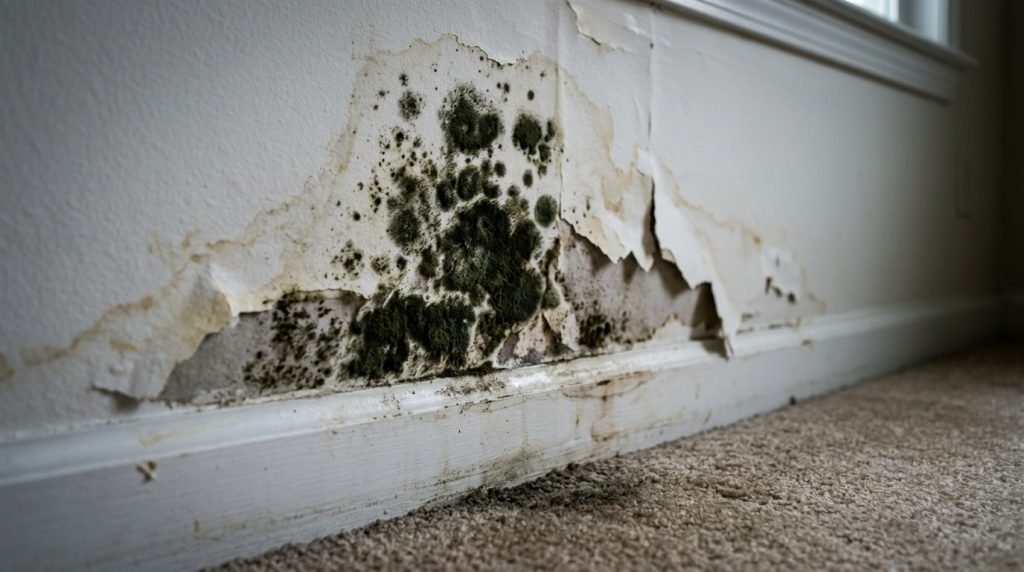
Yellow, brown, or rust-colored stains suggest moisture behind drywall – often from a slow pipe or roof leak.
- Musty Odors
A persistent, damp smell could indicate trapped moisture or hidden mold growth.
- Peeling Paint or Warped Floors
Moisture weakens paint and wood. If surfaces bubble, curl, or feel soft, water may be present beneath.
- Increased Humidity or Visible Mold
Unexpected dampness in one room or small patches of mold signal that moisture is accumulating – possibly out of sight.
- Sudden Spike in Your Water Bill
If your usage hasn’t changed but your bill has, you may have a hidden leak behind a wall, under the foundation, or in the crawlspace.
Paying attention to these water damage signs – and acting quickly – can save thousands in repairs and help avoid future health issues.
How to Prevent Water Damage at Home
The best way to avoid restoration costs is to prevent water damage before it starts. Use these proven strategies to protect your home:
- Inspect Pipes, Roof, and Appliances Regularly
Check for loose fittings, corrosion, or worn hoses. Schedule an annual roof inspection and look for cracked shingles, soft spots, or blocked vents.
- Clean Gutters and Redirect Water
Gutters should be cleared twice a year. Ensure downspouts extend at least 3–6 feet from your foundation to prevent pooling.
- Use Smart Leak Detectors and Auto Shut-Off Systems
Install sensors near appliances, water heaters, or basement pipes. Some systems shut off water automatically when a leak is detected – saving you from major damage.
- Waterproof Basements and Seal Foundations
Apply waterproof coatings, install sump pumps, and seal foundation cracks to prevent groundwater from entering your home.
- Schedule Professional Inspections
Even if everything looks fine, a professional can catch slow leaks or hidden vulnerabilities. An expert eye is one of the best tools for home water damage prevention.
Simple, proactive steps today can prevent overwhelming damage tomorrow – and provide peace of mind year-round.
When to Call a Professional
Some water issues are manageable with basic tools. Tightening a faucet or replacing a hose may not require a specialist. But there are clear situations where expert help is essential:
- The leak source is unclear or inaccessible
- Water has soaked into walls, ceilings, or flooring
- Mold is present or suspected
- You need insurance documentation or damage assessments
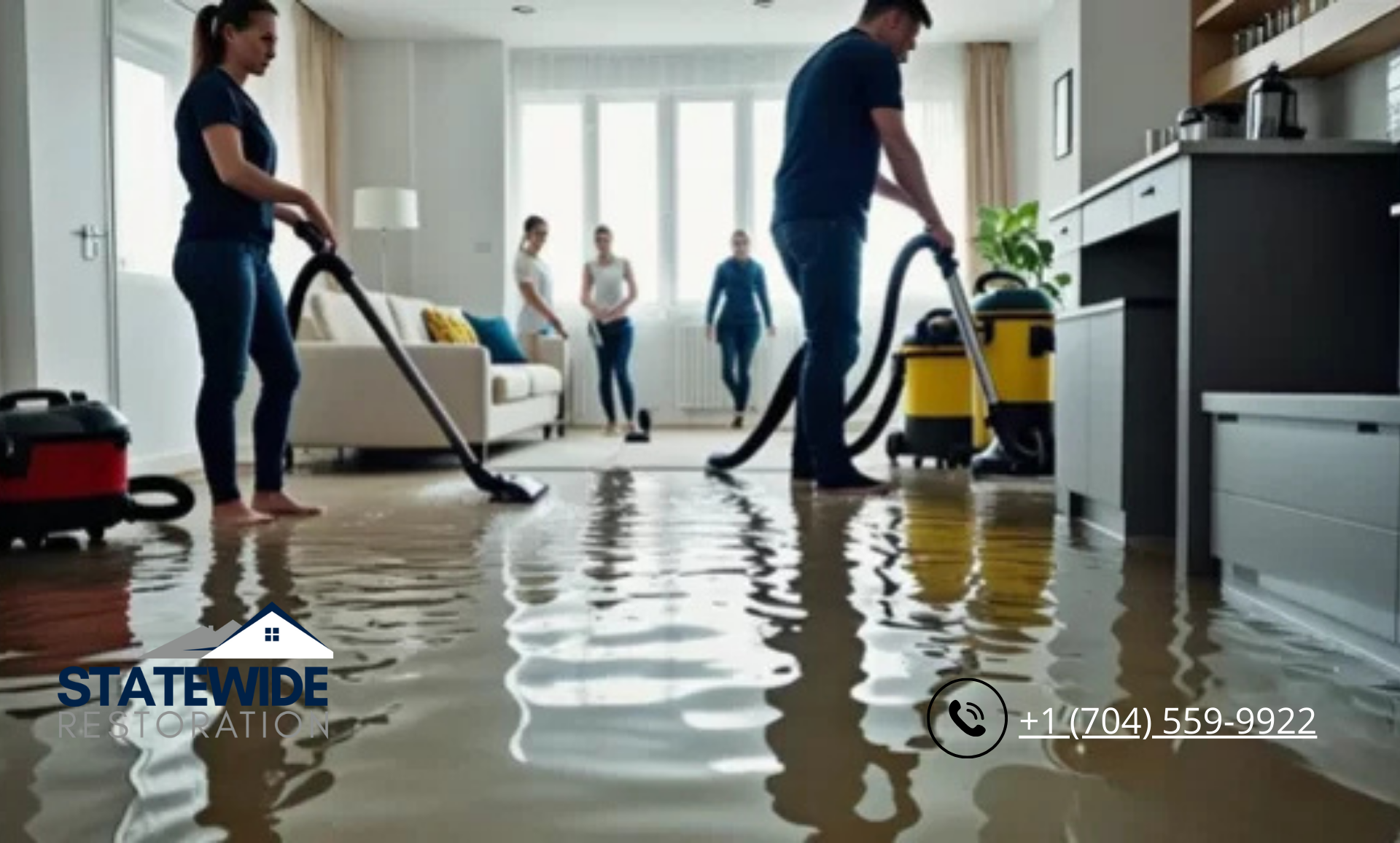
Water restoration professionals use tools like thermal imaging and moisture meters to detect hidden damage. They dry and sanitize areas properly, preventing mold, structural decay, and indoor air quality problems.
They can also help navigate insurance claims by providing detailed reports, photos, and repair estimates – helping you get the compensation you deserve.
If you’re unsure, err on the side of caution. Acting early often turns a potential disaster into a fast, affordable fix.
Water damage is one of the most common – and underestimated – threats to American homes. From burst pipes and roof leaks to poor drainage and high humidity, the risks are real but often avoidable.
Recognizing water damage signs, understanding key water damage causes, and sticking to a smart home water damage prevention routine can protect your investment and keep your home safe.If you spot early warning signs – don’t wait. Reach out to a trusted local professional for an inspection. The sooner you act, the faster you can restore your home – and peace of mind.