
When water damage, mold, or storm damage strikes your Charlotte home, choosing the right restoration company affects your recovery timeline and the efficiency of your insurance claim. This page compares how Statewide Restoration and other major providers differ in response speed, certification, and insurance handling. These differences impact whether you return to your home in days or weeks.
Key Takeaways
- IICRC certification is the industry standard for water damage and mold work; verify it before hiring to ensure technicians follow protocols that insurers recognize.
- Response time under 90 minutes significantly reduces secondary damage like mold growth and structural deterioration, which can add thousands to repair costs.
- Direct insurance coordination saves you from paying out-of-pocket and waiting for reimbursement; confirm the company handles this before signing.
Response time and damage prevention
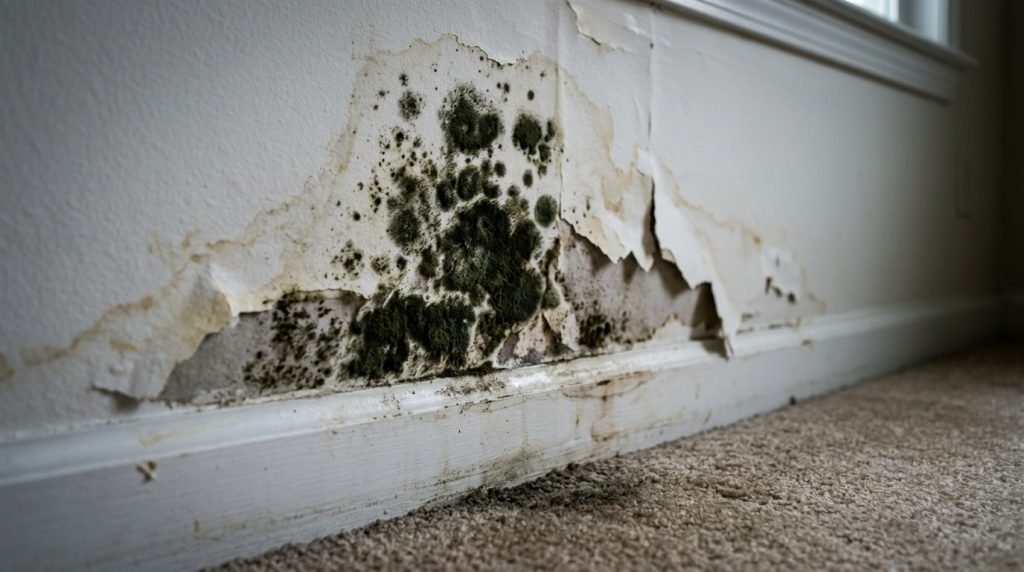
The first 24 hours after water intrusion determine whether you’re facing a contained cleanup or a full-scale mold remediation project. Mold can establish within 24-48 hours of water exposure in humid environments, and remediation costs can exceed water extraction costs by 2-5 times if not addressed immediately. In Charlotte’s humidity, that window closes even faster during summer months.
Response time under 90 minutes prevents secondary damage that multiplies repair costs. Water doesn’t wait. It wicks into drywall, seeps under flooring, and saturates insulation while you’re still calling companies. Wood begins to swell and warp within hours. The longer water sits, the more structural materials need replacement instead of drying.
What ‘on-call’ availability means varies widely. Some restoration companies dispatch from a local hub with crews ready to roll. Others route your emergency call through a national call center, then contact a franchisee or subcontractor who may be finishing another job. That distinction matters when you’re watching water spread across your basement floor at midnight.
Certification, equipment, and process standards
IICRC (Institute of Inspection, Cleaning and Restoration Certification) is the industry standard; certified technicians follow documented protocols for water extraction, drying, and mold remediation that most insurers require for claim approval. Without it, you’re trusting someone’s guess about when a space is actually dry. Insurers understand this, and claims move faster when the restoration company speaks the same technical language as the adjuster.
Equipment differences affect how thoroughly and quickly your property dries. Truck-mounted extraction units pull significantly more water than portable shop-vacs. High-capacity dehumidifiers rated for commercial use dry a flooded basement in days; consumer-grade units take weeks and often fail to reach the moisture levels needed to prevent mold. Moisture mapping tools let technicians track drying progress inside walls and under floors, rather than guessing based on surface readings.
Process standards determine whether the job is truly complete or just appears complete. Some companies send one certified supervisor with a crew of untrained helpers. That matters when someone needs to make real-time decisions about which materials can be saved and which need removal. Incomplete drying causes problems that surface months later, after the company is long gone and your warranty period has expired.
Insurance coordination and out-of-pocket risk
Companies that work directly with insurers reduce your financial risk by handling billing and documentation; those requiring upfront payment shift the burden to you until reimbursement arrives, which can take 30-60 days. The difference isn’t just convenience. If you pay a restoration company $8,000 upfront and your insurer later disputes $2,000 of that invoice, you’re the one fighting for reimbursement. When the company bills the insurer directly, scope disagreements get resolved between professionals before you’re out any money.
Direct-to-insurance coordination means the restoration company communicates with the adjuster, submits documentation with the technical detail insurers expect, and handles scope changes without you managing back-and-forth. They speak the same language and know what documentation the adjuster needs to approve mold remediation or structural drying. You’re not translating between two parties or chasing paperwork.
Watch for companies that pressure you to pay before insurance approval or that provide vague invoices without line-item breakdowns. Legitimate restoration companies document everything because they know the adjuster will ask. If a company resists giving you detailed documentation upfront, that’s a problem you’ll discover too late.
Scope of services and specialty gaps
Most restoration providers handle core services in-house: water extraction, structural drying, mold remediation, and fire cleanup. Where companies differ is in specialty services. Basement finishing repair, HVAC cleaning after smoke damage, content restoration, and structural carpentry often get subcontracted. That’s not necessarily bad, but it adds coordination time and potential finger-pointing if something goes wrong.
Outsourcing delays your project when the restoration company finishes drying but you’re waiting two weeks for their subcontractor to rebuild drywall. Some companies keep these trades in-house or maintain tight relationships with dedicated partners. Others call around for availability after they assess your damage. Ask upfront whether the company handles your specific damage type from start to finish or whether you’ll be managing multiple vendors.
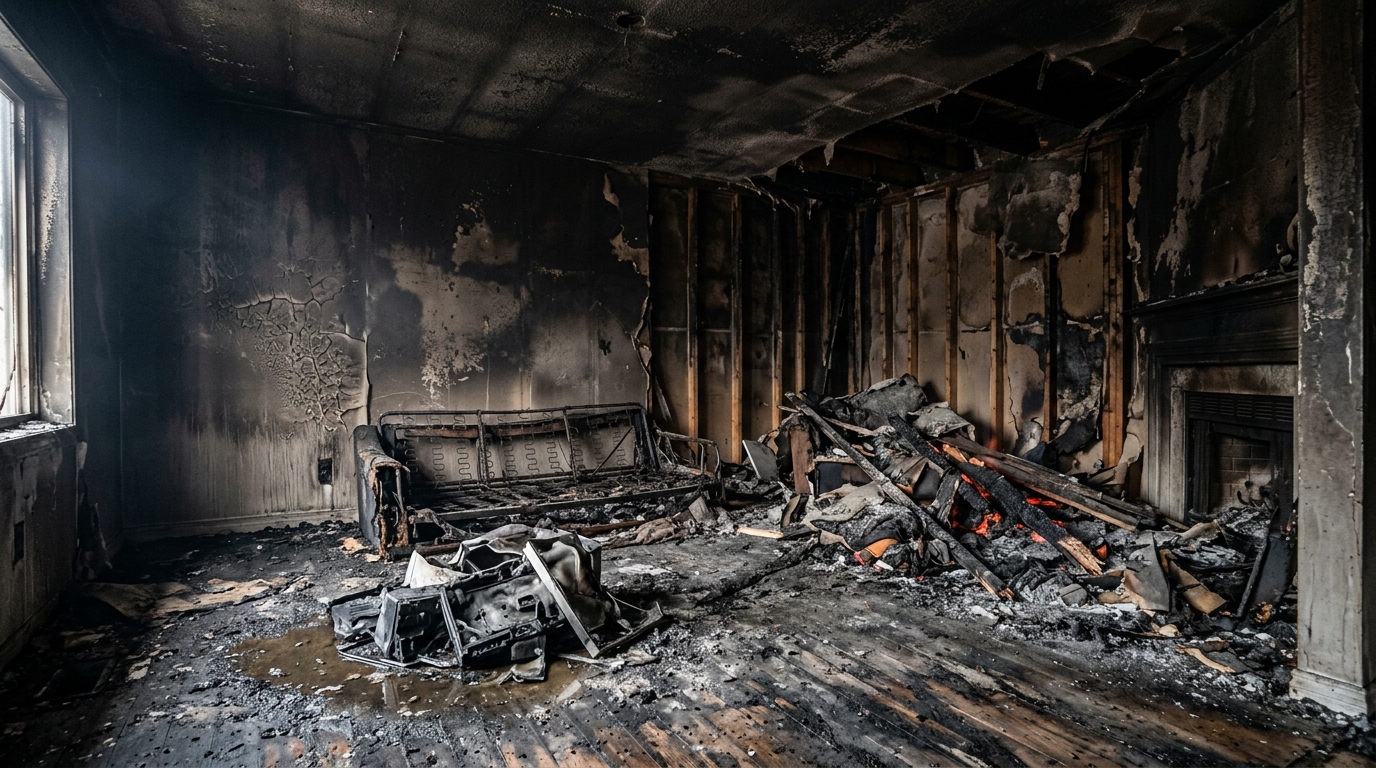
Verify the company can handle your situation without handing off to others. A kitchen leak requires different expertise than a flooded basement or storm damage that compromised your roof. Companies experienced in one don’t automatically excel at the others. Statewide Restoration handles water damage restoration, mold remediation, fire damage cleanup, and storm damage repair with certified experts, eliminating the handoff problem for most residential damage scenarios.
Frequently asked questions
If I call at 2 a.m. on a Sunday, will someone actually answer, or do I get a voicemail?
Statewide Restoration’s rapid response team is available 24/7, meaning a real person answers emergency calls any time. Some companies route after-hours calls to an answering service that takes a message and promises a callback within hours. When water is actively flooding your home, hours matter.
My insurance adjuster is coming Tuesday, how quickly can you have a crew here to document the damage before then?
With an average response time of 60 minutes for emergencies, Statewide Restoration can typically arrive same-day or next-day for documentation appointments. Early documentation with moisture readings and photos strengthens your claim before the adjuster arrives, giving them the technical detail they need to approve the full scope.
If mold is found during the water extraction, do you handle the remediation, or do I need to call someone else?
Statewide Restoration provides mold remediation in-house, so if water damage reveals mold growth, the same crew handles both without delays or additional vendor coordination. Many water damage companies subcontract mold work, which adds days to your timeline and complicates insurance billing.
How do I know the drying is actually complete, or are you just guessing when you say the house is dry?
IICRC-certified technicians use moisture meters to measure water content in walls, floors, and structural materials, comparing readings against dry standards for each material type. Drying is complete when readings match those standards, not when surfaces feel dry to the touch. Reputable companies document these readings daily and provide a final report showing your property meets industry thresholds.
What to verify before you sign
Ask any restoration company for proof of IICRC certification and confirm they’ll provide that proof in writing before work begins. Request a detailed written estimate that breaks down extraction, drying, equipment rental, and any demolition or reconstruction, rather than a single lump sum. Verify exactly how they handle insurance billing and whether you’ll need to pay anything upfront.
If you need emergency water damage restoration in Charlotte with certified experts who handle insurance coordination directly, Statewide Restoration’s 24/7 rapid response team averages 60-minute arrival times and manages the full process from extraction through final drying documentation.